What Makes Sushi Premium?
Updated: May 6
You can see the difference before the first bite. The fish has a clean sheen rather than a dull gloss. The rice holds together without looking compressed. The cut is precise, the temperature feels considered, and nothing on the plate is there to distract. If you have ever wondered what makes sushi premium, the answer is never just price. It is a chain of decisions, each one exacting.
Premium sushi is defined by restraint. It does not rely on excess sauce, oversized rolls or novelty. Instead, it asks more of the ingredients, more of the chef and, in many cases, more of the guest. The quality is obvious, but the reasons behind it are often quieter than people expect.
What makes sushi premium starts with sourcing
At the highest level, sushi quality begins long before service. Premium fish is selected for fat balance, texture, seasonality and handling history, not simply species name. Bluefin tuna, sea bream, amberjack, uni and scallop can all be exceptional, but only when they are sourced with care and served at the right moment in their natural cycle.
Freshness matters, but freshness alone is not the whole story. Some fish improve after a short period of ageing, which can deepen umami and soften texture. This requires judgement. Serve it too early and the flavour may seem thin. Hold it too long and delicacy is lost. Premium sushi houses understand this balance and build menus around what is at its best, rather than forcing the same offering every day.
Traceability also matters. Quality-conscious diners increasingly want to know that seafood has been handled properly from source to counter. In premium sushi, that confidence comes through in the eating experience. The fish tastes clean, the aroma is subtle and the finish is elegant rather than heavy.
Rice is where standards are revealed
People often focus on the fish first, yet sushi rice is where standards are truly exposed. A premium sushi chef treats rice as a central craft, not a background component. The grain variety, water ratio, cooking time, resting method and seasoning blend all shape the final result.
Good sushi rice should be glossy, gently warm and properly aerated. It should not be mushy, dry or aggressively vinegared. The seasoning needs precision. Too much acidity and it dominates the fish. Too little and the rice tastes flat. The aim is harmony, not prominence.
Temperature is equally important. Fish taken from the refrigerator and placed on cold rice will never taste as composed as sushi served at a considered temperature. Premium sushi often feels more vivid because the rice is alive to the touch and the fish is allowed to express its texture fully. That sensation is subtle, but it changes everything.
Knife work is not theatre
In less disciplined settings, knife work can be treated as performance. In premium sushi, it is technique in service of flavour. The way a chef cuts fish affects mouthfeel, aroma release and how the topping sits against the rice.
A clean cut preserves texture. The wrong angle can make a tender fish feel stringy or a rich fish feel clumsy. Even a slight score across the surface of squid or cuttlefish can transform the bite. Fatty tuna, lean tuna and white fish each demand a different approach. There is no single correct cut for every topping.
This is one reason premium sushi tends to feel effortless. The guest may not notice the detail consciously, yet the bite lands with clarity. It yields when it should, lingers when it should and disappears without resistance.
Balance matters more than abundance
A common misconception is that premium means larger portions or richer ingredients on every piece. In reality, quality sushi is usually more measured. The ratio of fish to rice is carefully controlled. Wasabi, if used between fish and rice, is calibrated rather than assertive. Garnishes are minimal unless they serve a purpose.
This restraint is part of what elevates the experience. A piece of sushi should feel complete in one bite. If it is too large, too cold or overfilled, the balance breaks. Premium sushi values proportion because proportion allows flavour to unfold in the right order.
The menu reflects judgement
Another answer to what makes sushi premium lies in curation. A serious sushi menu is not a catalogue of everything available. It is a selective expression of what deserves to be served.
That may mean featuring fewer items on a given day. It may mean presenting seasonal changes without fanfare. It may also mean excluding popular ingredients when they are not meeting standard. For some diners, that selectiveness is part of the value. It signals that the chef is protecting the experience rather than chasing volume.
There is also a difference between variety and range. A premium sushi offering can include nigiri, sashimi, maki and composed dishes, but it should still feel coherent. The best menus guide the guest through changes in texture, richness and intensity. Even takeaway, when done properly, can reflect this same discipline, though certain items naturally shine more in the dining room where timing and temperature are controlled more closely.
Atmosphere and service shape premium sushi too
Sushi is food, but premium sushi is also hospitality. The setting, pace and service style all affect how quality is perceived and enjoyed. A refined room does not need to be loud about luxury. It needs to feel calm, attentive and intentional.
Service should be informed without becoming intrusive. Guests should feel guided, especially if they are less familiar with seasonal fish or omakase-style pacing. At the same time, experienced diners tend to value discretion. Premium hospitality recognises both needs.
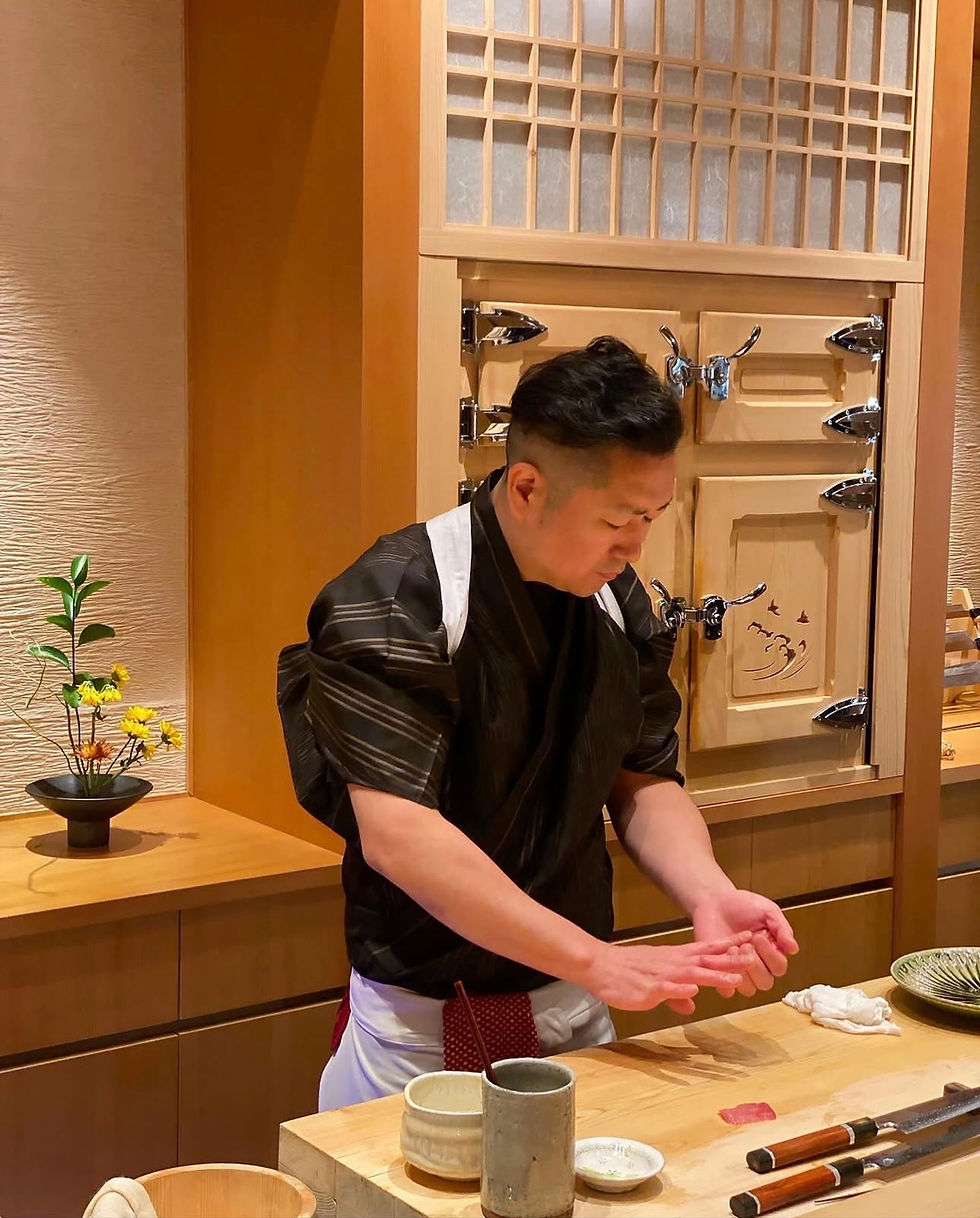
This is where the chef-led model matters. A restaurant built around culinary authorship often carries a stronger sense of continuity. The food, room and service speak the same language. At Sushi Ayumu by Masa Ishibashi, that coherence is part of the premium experience - not just what arrives at the table, but how the evening is held from start to finish.
Price reflects waste, skill and scarcity
Premium sushi costs more for reasons that are not always visible. High-grade seafood is expensive to source and difficult to handle. Rice preparation is labour-intensive. Skilled chefs require years of training. Certain ingredients are seasonal and scarce. There is also significant waste involved in maintaining a high standard, because not every piece of a fish is suitable for every preparation.
That does not mean the highest price always guarantees the best meal. Some restaurants charge for postcode, spectacle or trend. But genuinely premium sushi tends to be costly because precision at this level leaves little room for shortcuts. The margin for error is small, and excellence is expensive to maintain.
What makes sushi premium for different diners
Not every guest defines premium in exactly the same way. For some, it is the purity of nigiri served directly by the chef. For others, it is the confidence of bringing clients or family into a room where every detail is handled well. For a couple, it may be the sense of occasion. For a regular guest ordering takeaway, it may be knowing that standards remain intact beyond the dining room.
This is where context matters. A premium experience does not have to be formal in a rigid sense. It has to feel considered. The ingredients should be excellent, the craft should be visible in the eating, and the service should respect the guest's time and expectations.
There are also honest trade-offs. Elaborate rolls can be enjoyable, but they often obscure the quality of fish. A broad menu may suit a mixed group, but a tightly edited selection usually signals stronger control. Omakase can offer the clearest expression of a chef's judgement, though diners who prefer choice may find an à la carte format more comfortable. Premium is not one fixed format. It is a standard carried across formats.
The clearest sign of premium sushi
The clearest sign is confidence without excess. Premium sushi does not need to persuade you with ornament. It relies on ingredient integrity, technical precision and a setting that allows both to be appreciated. When all three align, the meal feels composed from the first course to the last piece.
If you want to judge sushi more accurately, start with the rice, the cut, the temperature and the balance. Notice whether the flavours feel clean, whether the menu feels selective and whether the service understands the difference between attention and interruption. Those details reveal more than any luxury cue ever could.
The best sushi leaves a distinct impression of care. Not showmanship, not abundance, but care disciplined to a very high standard.



Comments