Sake Pairing with Sushi: What Works Best
Updated: May 6
A cold, fragrant sake beside a piece of toro can feel effortless. It is not. The best sake pairing with sushi is quiet and precise, shaped by fat, texture, seasoning and temperature rather than by a simple rule that says fish goes with rice wine.
At a refined sushi counter, pairing should never dominate the food. Sake is there to sharpen sweetness in the rice, steady the richness of the fish and leave the palate clear for the next piece. When it is chosen well, the effect is subtle but unmistakable.
The principle behind sake pairing with sushi
Sushi is more delicate than many people realise. The rice carries acidity, salt and warmth. The fish may be lean, buttery, briny, cured, brushed with nikiri or touched with citrus. A successful pairing has to meet the whole piece, not just the topping.
This is why broad advice can mislead. A light daiginjo is not automatically the right answer for every nigiri, just as a richer junmai is not always too weighty. Much depends on whether you are eating hirame or chutoro, whether soy has already been applied, and whether the sushi chef intends a clean finish or a more savoury one.
In practice, the best pairings rely on either harmony or contrast. Harmony means matching elegance with elegance - a restrained, mineral sake with white fish, for example. Contrast means using acidity, dryness or umami to balance richness - as with a fuller sake against fatty tuna or salmon.
Start with style, not prestige
Many diners begin with grade names. They ask for the most premium bottle and assume quality alone will solve the pairing. It rarely does.
Ginjo and daiginjo styles are often aromatic, polished and refined. They can be beautiful with cleaner fish, especially when the sushi is minimally dressed. Their floral or melon-like notes suit sea bream, scallop and some prawn preparations, but with intensely savoury or oily fish they can become too perfumed.
Junmai styles tend to show more rice character, umami and structure. That makes them especially useful at the table. They often pair more flexibly with sushi because they can handle soy, richer cuts and warmer serving temperatures without losing composure.
There is also a place for honjozo, which can offer dryness and lift, and for aged sake, though mature styles require care. With sushi, age and oxidation can either add intriguing depth or simply overwhelm the delicacy of the fish. It depends on the dish and the intent of the meal.
Temperature matters more than most expect
One of the easiest ways to improve sake pairing with sushi is to think about serving temperature. Chilled sake tends to emphasise freshness, aroma and precision. Slightly warmer sake can reveal savoury depth, softness and umami.
This is particularly useful with sushi. Lean white fish often benefits from a cooler pour, which keeps the pairing taut and clean. Richer cuts, brushed eel or pieces with deeper seasoning may become more expressive with sake served less cold, where the texture broadens and the rice notes come forward.
Too cold, and some sake loses its shape. Too warm, and delicate styles can feel diffuse. The best service treats temperature as part of the pairing, not as an afterthought.
What to pour with different sushi styles
White fish such as sea bream, flounder and halibut usually asks for restraint. A light ginjo or a mineral, dry junmai works well here. The aim is not aroma for its own sake, but clarity. You want a sake that respects the translucent texture and gentle sweetness of the fish.
Salmon is more forgiving, yet it still rewards thought. Its oil content can carry a broader sake, especially a junmai with modest fruit and a clean finish. A very fragrant daiginjo can work if the preparation is simple, but if the salmon is lightly torched or dressed more assertively, a savourier style often performs better.
Tuna changes as the cut changes. Akami, being leaner and iron-rich, can handle dryness and definition. Chutoro benefits from a little more body. With otoro, a sake with structure and enough acidity to lift the fat is often ideal. This is where a fuller junmai can be more compelling than a delicate aromatic style.
Shellfish can be exquisite with sake, though the matches differ. Scallop suits soft, elegant styles with gentle sweetness. Sweet prawn can take a sake with silkier texture. Oyster, if served in a Japanese context, often works best with dry, crisp profiles that keep the saline edge in focus.
For mackerel or other cured, silver-skinned fish, acidity becomes important. These fish are powerful, and the pairing needs nerve. A drier sake, sometimes with a savoury edge, will usually fare better than anything overtly floral.
Unagi and anago, with their glaze and deeper sweetness, invite more body and warmth. This is one of the few places where a richer, fuller sake can feel almost inevitable.
Nigiri, sashimi and rolls are not the same question
People often speak about sushi as though every style behaves alike. It does not. Sashimi is the most direct expression of the fish, so the sake must meet the ingredient almost alone. Nigiri adds seasoned rice, and that changes the balance entirely. Rolls introduce further variables - nori, fillings, sauces, texture and, at times, excess.
With sashimi, precision is everything. The pairing can be more transparent because there is less acidity and structure from the rice. With nigiri, the sake must account for the vinegared rice, which is why some pairings that seem perfect with sashimi feel less complete once rice enters the picture.
Rolls are more difficult. A simple cucumber roll or tuna hosomaki can still work with classic, restrained sake styles. Heavier rolls with mayonnaise, spice or tempura elements often push the meal away from the subtle strengths of sake. Pairing is still possible, but the result is less refined and more about managing richness than celebrating nuance.
The role of soy, wasabi and garnish
Seasoning often decides the pairing before the fish does. A piece brushed lightly with soy has a different profile from one dipped by the diner. Fresh wasabi contributes aroma and lift, while too much heat can flatten finer notes in the sake.
Citrus, shiso and grated ginger also shift the balance. A touch of yuzu can brighten a pairing and make an aromatic sake more convincing. Ginger can add freshness, though if used heavily it may distract from subtler bottles.
This is why the most successful pairings are often made course by course rather than by ordering one sake for the entire meal. A single bottle can certainly carry a progression, especially if the selection is balanced. Yet a more considered meal acknowledges that lean snapper and glazed eel are asking different things from the glass.
How to choose confidently in the restaurant
If you are selecting sake at dinner, begin by thinking in textures. Ask yourself whether the sushi in front of you is lean or rich, clean or seasoned, cool or lightly torched. Then choose a sake with either enough restraint to echo it or enough structure to balance it.
For a mixed sushi selection, the safest and often most elegant choice is a dry, polished junmai or a measured ginjo that is not too aromatic. These styles tend to move well across white fish, tuna and shellfish without asserting themselves too loudly.
If the meal leans rich - salmon belly, chutoro, eel, dressed pieces - move towards greater umami and body. If the meal is built around white fish and shellfish, favour lift, finesse and a cleaner finish.
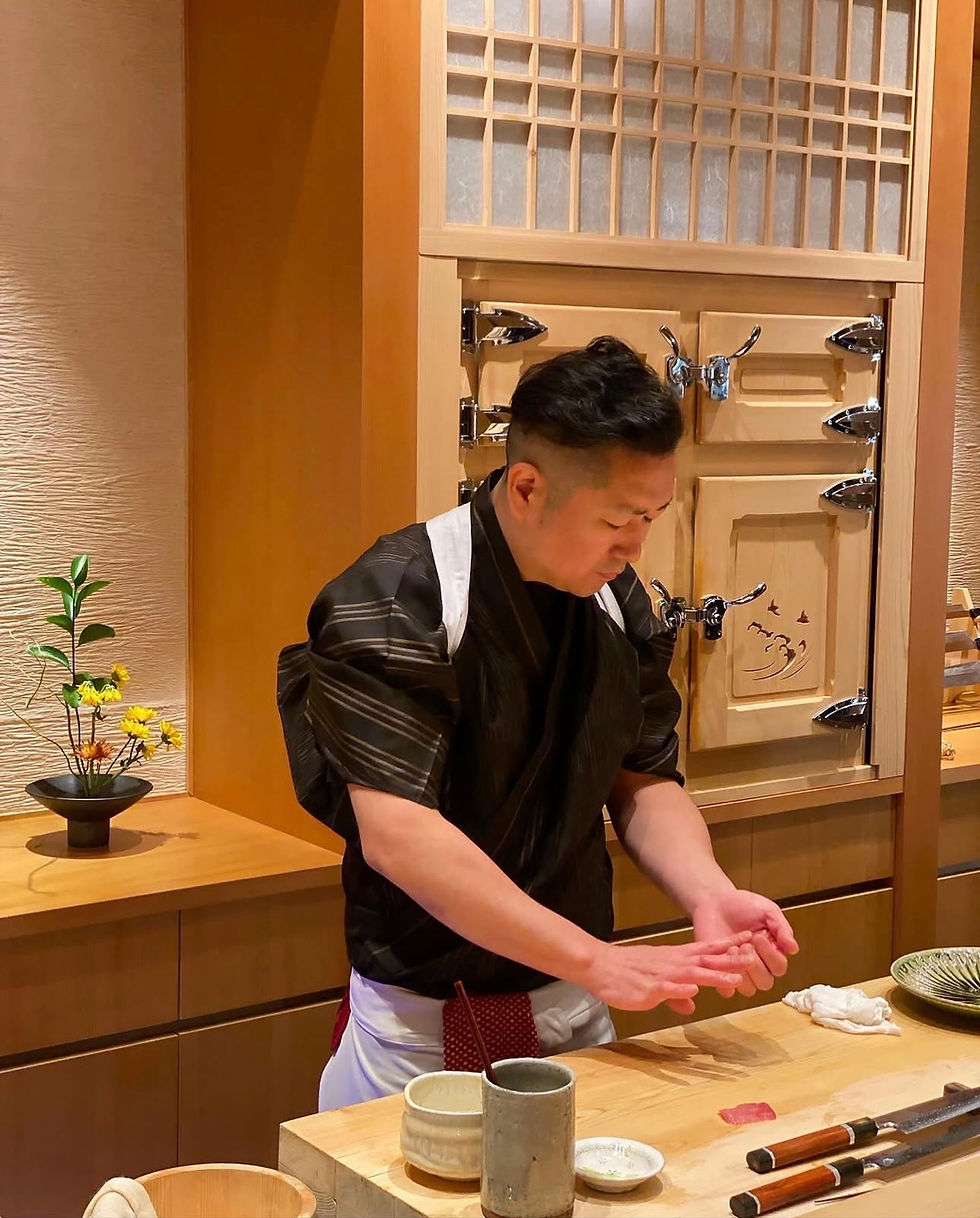
At Sushi Ayumu by Masa Ishibashi, a thoughtful pairing should feel like part of the service itself: composed, exact and never overstated. That is the standard worth seeking anywhere serious sushi is served.
A final word on preference
There is technique in pairing, but there is also taste. Some diners prefer the fragrance of daiginjo even with richer fish. Others favour the grain and savoury depth of junmai across an entire meal. Neither instinct is wrong if the glass still respects the food.
The finest sake pairing with sushi does not announce itself. It simply makes the next piece more vivid, and leaves you wanting another sip before the plate is cleared.



Comments