How to Plan Private Dining for an Unforgettable Experience
Updated: May 6
Establish a Clear Brief
The strongest private events begin with a precise brief. Not a vague idea of a celebration, but a clear sense of purpose. Is this a client dinner where discretion matters more than spectacle? Is it a birthday that should feel generous but not theatrical? Or perhaps a family gathering where different ages and appetites need to be considered? The answers to these questions influence every decision that follows.
Guest count comes first, but only if it is realistic. Hosts often invite broadly and refine later. However, private dining works best when numbers are stable early. A room that suits 10 can feel thin with 6 and cramped with 14. If your event matters, estimate carefully and confirm promptly.
Timing deserves the same discipline. An evening booking may sound straightforward, but arrival windows, drinks before sitting, and how long guests can comfortably remain at the table all affect the pace. If the dinner includes a toast, business discussion, or gift presentation, account for it in advance. Good service feels calm because someone has already thought through the minutes.
Budget should be defined in the same tone. There is no virtue in discussing private dining as though price does not matter. It does. The better approach is to decide where you want the value to sit. For some hosts, it is the room itself. For others, it is ingredient quality, premium drinks, or a longer menu. Private dining is rarely about spending more on everything. It is about spending well on what guests will actually remember.
Choose the Room Before the Menu
When people think about private dining, they often begin with food. In practice, the room usually determines whether the evening feels composed. Privacy is not only about four walls and a door. It is about sound, sightlines, table layout, lighting, and whether the group can speak naturally without competing with the wider restaurant.
A business dinner may need a room quiet enough for discussion. A birthday may benefit from a space that feels enclosed and intimate rather than grand. If the gathering includes older relatives, ease of access matters more than dramatic design. If it is a celebration for close friends, a compact room with attentive service may create more atmosphere than a larger, impressive space.
This is where trade-offs become useful. Complete privacy can reduce energy if the group is small. A semi-private space can feel livelier but less discreet. A long table encourages shared conversation, while a wider layout may suit formal entertaining. There is no universally correct setup. The right choice depends on what the evening is for.
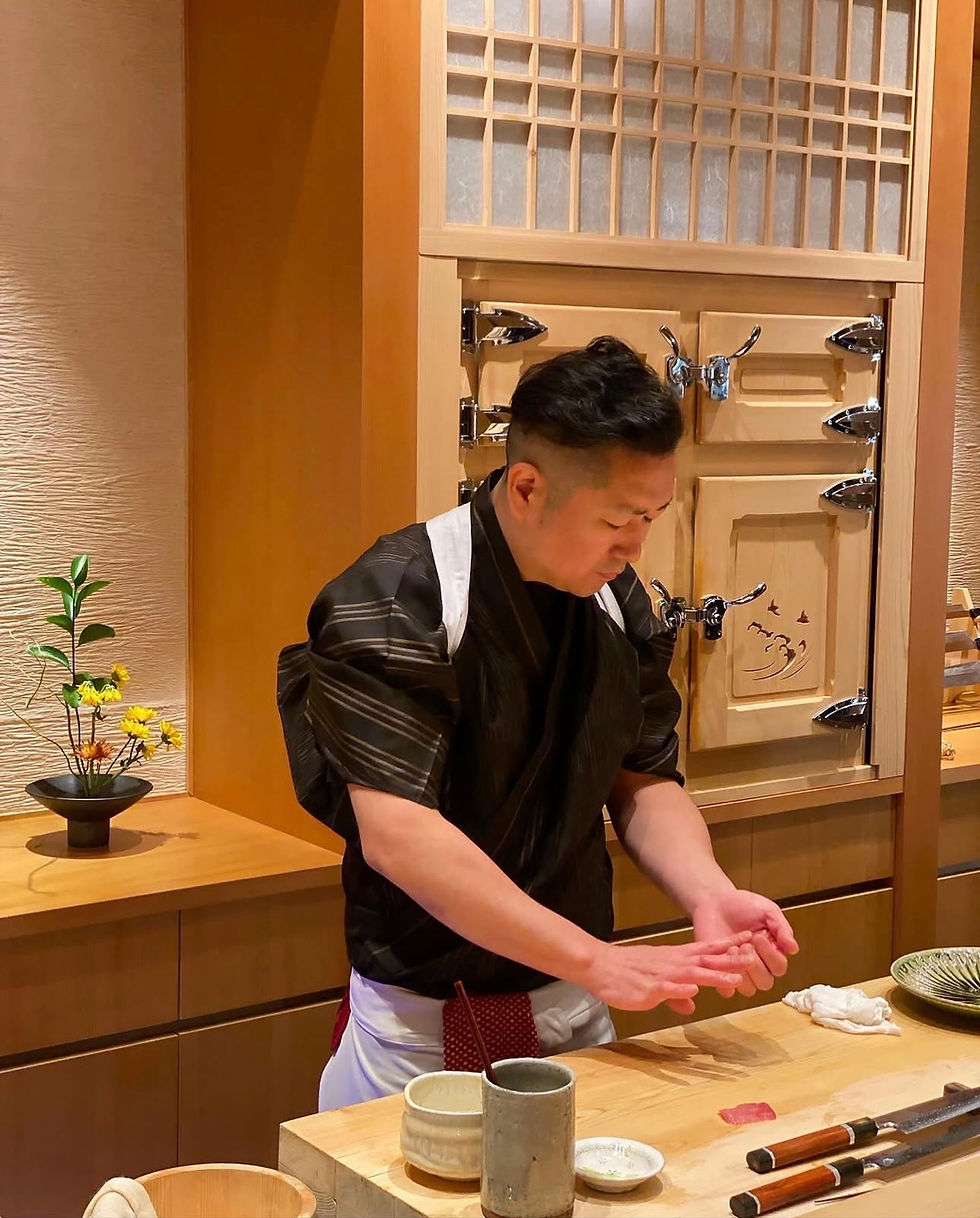
At a chef-led restaurant such as Sushi Ayumu by Masa Ishibashi, private dining has particular appeal because the setting and the cuisine are part of the same expression. That matters. Guests notice when the room feels consistent with the food and service, not added on as an afterthought.

How to Plan Private Dining Around the Guest List
A polished guest list is not simply a headcount. It is a mix of personalities, relationships, expectations, and practical needs. This is especially important in private dining, where everyone shares one pace and one menu structure.
Start with compatibility. If the evening is meant to be relaxed, avoid a table composition that forces guests into roles. If it is a professional dinner, think carefully about hierarchy, introductions, and who should sit where. Seating can either remove friction or create it.
Dietary requirements should be handled early and discreetly. In refined dining, guests expect this to be managed without fuss. Vegetarian preferences, allergies, pregnancy considerations, and aversions to raw fish or certain ingredients should be known before the menu is finalized. Last-minute changes are possible in some settings, but they are rarely ideal. A well-run dinner makes each guest feel considered without making anyone feel singled out.
It also helps to consider your group's confidence with the cuisine. Some guests will be enthusiastic and informed. Others may appreciate guidance. A menu that feels exciting to one table can feel uncertain to another if there is no frame around it. The point is not to dilute the experience. It is to match the menu style to the people attending.
Build a Menu with Pace, Not Just Favorites
The best private dining menus are designed for flow. Hosts sometimes try to include every favorite dish, but too much variety can interrupt rhythm. A better menu has shape. It begins cleanly, builds interest, and reaches the table in a way that feels measured rather than crowded.
In Japanese dining, this is particularly important. Balance, seasonality, and sequence matter. A private dinner should feel curated, not assembled from unrelated choices. If the restaurant offers a set private dining menu or omakase-style progression, there is usually a reason. Such menus are often designed to preserve quality at scale, maintain the timing of service, and present the chef's strengths properly.
Drinks deserve equal attention. Pairings can elevate the evening, but not every table wants the same rhythm. Some groups prefer a focused sake or wine selection chosen in advance. Others want the freedom to order as they go. Pre-selecting too rigidly can make the evening feel managed; leaving everything open can slow service and make costs harder to judge. Often, a middle course works best.
Service, Timing, and the Details Guests Actually Notice
Guests remember atmosphere more vividly than logistics, yet atmosphere is built from logistics. How quickly coats are taken, whether the first drink appears at the right moment, whether speeches interrupt dishes, and whether courses arrive with confidence—these are small signals of care.
When discussing your event with the venue, be specific about timing. Note the arrival time, when you want guests seated, whether there will be a welcome drink, and if any formal moment needs a pause in service. If you are hosting a business dinner, mention whether conversation is the priority and whether a quieter pace is preferred. If it is a celebration, decide if you want the evening to gather momentum or remain understated.
Décor should be treated with similar judgment. Not every private dinner needs flowers, place cards, or branded menus. In many cases, especially in an elegant Japanese setting, simplicity carries more authority. If you add details, they should feel considered rather than busy.
Music, cake service, gifts for guests, photography, and children's attendance can all affect the room. None of these is inherently difficult, but each should be raised beforehand. Private dining works beautifully when expectations are aligned. It becomes awkward when hosts assume the venue will adapt on the spot.
What Hosts Often Misjudge
The most common mistake is planning around appearance rather than comfort. A room may look impressive online and still not suit the evening. Likewise, an ambitious menu may sound memorable but leave guests overwhelmed or detached from the occasion.
Another misstep is underestimating how much guidance the venue needs. Experienced restaurants can execute elegantly, but they are not mind readers. A host who shares the purpose of the evening, the type of guest attending, and the preferred tone will usually receive better recommendations.
There is also a tendency to over-program. A private dinner does not need constant activity to feel special. In fact, too many speeches, announcements, or add-ons can break the very thing people came for—the pleasure of being well looked after in a beautiful room, over excellent food.
Finally, some hosts leave decisions too late because private dining feels contained. It is private, so it must be simple. In reality, the smaller and more curated the setting, the more visible every decision becomes. Precision matters more, not less.
The Standard Worth Aiming For
If you are considering how to plan private dining for an important occasion, the right question is not how much to add. It is what to refine. A well-chosen room, a composed guest list, a menu built with intention, and service that respects the pace of the table will always outlast novelty.
Private dining at its best feels personal without trying too hard. When each choice is made with clarity, the evening gains the quality most guests value most—ease.
---wix---



Comments