Omakase vs a la carte: Which to Choose?
Updated: May 6
The first choice in a serious sushi restaurant is not uni or tuna. It is whether you place the meal in the chef’s hands or shape it course by course yourself. That is the real question behind omakase vs a la carte, and it changes far more than the order itself. It changes the pace of the evening, the conversation between guest and chef, and the way ingredients are experienced.
For some diners, one style is clearly right. For many, it depends on the occasion. A business dinner, an anniversary, a quick but precise lunch, or a first visit to a chef-led counter can all call for different decisions. The better choice is not the more expensive one. It is the one that suits why you are there.
Omakase vs a la carte: the essential difference
Omakase means, in essence, that you are leaving the selection to the chef. Rather than choosing individual dishes, you accept a sequence built around seasonality, balance and the chef’s judgement on what is best that day. In a strong restaurant, that judgement is the point. You are not simply buying food. You are trusting a culinary perspective.
A la carte is the opposite in structure, though not necessarily in quality. You choose each item yourself, whether that means a few pieces of nigiri, sashimi, hand rolls, small plates or a fuller meal. The experience is more self-directed. You control the range, the pace and usually the spend.
Neither format is inherently superior. Omakase tends to offer a more authored experience. A la carte offers more freedom. One is curated; the other is composed by the guest.
What omakase offers that a la carte cannot quite match
At its best, omakase creates a sense of progression that is difficult to replicate when ordering independently. The chef can begin with lighter, more delicate fish, move into richer cuts, vary temperature and texture, and build a rhythm that gives each course a place. A piece of sea bream might sharpen the palate before a more buttery cut of tuna. A warm dish may reset the table before nigiri resumes. These decisions look simple, but they shape the entire meal.
There is also the matter of access. In many high-end sushi settings, the finest ingredients are not always listed in a broad, static way. They may depend on the morning’s market, the quality of a particular catch, or the chef’s view of what is truly worth serving that day. Omakase allows the kitchen to present ingredients at their peak rather than forcing them into a fixed menu logic.
For diners who appreciate craftsmanship, this matters. Omakase highlights not only the fish, but the chef’s discipline - knife work, seasoning, rice temperature, timing, restraint. It is often the clearest expression of a restaurant’s standards.
That said, omakase asks something of the guest. It asks for openness, and sometimes for patience. If you strongly dislike certain ingredients, prefer familiar choices, or want to control quantity precisely, the format may feel less comfortable than it sounds on paper.
Why a la carte still matters in a premium sushi restaurant
A la carte is sometimes treated as the lesser option, as if it is for cautious diners while omakase is for connoisseurs. That is too simple, and often wrong. Choosing for yourself can be the more intelligent approach when you know exactly what you want from the meal.
If you are meeting a client and need flexibility, a la carte can be ideal. If one guest loves shellfish and another avoids it, the table can adapt without fuss.
It also suits returning guests who already understand a restaurant’s strengths. Once you know the style of rice, the quality of the tuna, the character of the cooked dishes or the precision of the sashimi, you may prefer to build a meal around favourites. That is not a lesser form of dining. It is a more personal one.
In many cases, a la carte is the best format for weekday dining. It can be elegant without becoming ceremonial. You still receive excellent ingredients and careful preparation, but in a frame that works around your own appetite and schedule.
Omakase vs a la carte on price, value and expectation
Price often sits underneath this decision, even when diners do not say so directly. Omakase is usually associated with a higher spend, though that depends on the restaurant and the breadth of the menu. The reason is straightforward: you are paying for curation, premium sourcing and a set progression that often includes courses you might not have selected yourself.
That does not mean it is poor value. In fact, omakase can offer stronger value when the chef is showcasing exceptional ingredients in the right order and portion. You are paying for expertise as much as product.
A la carte gives clearer financial control. You can order modestly or generously, depending on the moment. For guests balancing quality with flexibility, that transparency is appealing.
The better question is not which one is cheaper, but what kind of value you want. If value means experiencing the chef’s point of view at full strength, omakase often justifies itself. If value means precision in choice and spending, a la carte may serve you better.
Which style is better for a first visit?
For a first visit to a respected sushi restaurant, omakase is often the more revealing introduction. It shows how the chef thinks. You see what the kitchen considers worth presenting, how the meal is paced, and where the restaurant places its emphasis. If the aim is to understand the restaurant properly, there is a strong case for leaving the path in expert hands.
Yet there are exceptions. If you are new to traditional sushi, uncertain about raw seafood, or dining with someone whose preferences are narrow, a la carte can be the more comfortable and sensible beginning. It lets you ease into the experience without pressure.
There is no loss of face in that. A refined restaurant should be able to excel in both formats. Confidence is not about making every guest order omakase. It is about serving each guest well.
When to choose omakase
Omakase suits occasions where the meal itself is central. Anniversaries, thoughtful business entertaining, milestone dinners and visits from out-of-town guests all benefit from a more curated format. It is also ideal when sitting at the counter, where the chef’s decisions and timing can be appreciated more directly.
If you enjoy being surprised, trust the kitchen, and want to taste what is best rather than what is most familiar, omakase is usually the stronger choice. It invites a certain surrender, but in return it offers coherence and discovery.
When a la carte is the better choice
A la carte is often right when the evening has practical limits. You may be dining before the theatre, fitting in a polished lunch between meetings, or ordering takeaway where a composed chef-led progression would naturally be lost. It also works well for groups, where preferences vary and control matters.
It is particularly useful for diners who know they want a specific experience. Perhaps pristine sashimi, a favourite maki, a few pieces of nigiri and little else. In that case, selecting carefully can be more satisfying than accepting a set arc that may lead elsewhere.
The role of trust
What truly separates omakase vs a la carte is trust. Omakase rests on confidence in the chef’s judgement. A la carte rests on confidence in your own. Both can lead to an excellent meal, but they begin from different instincts.
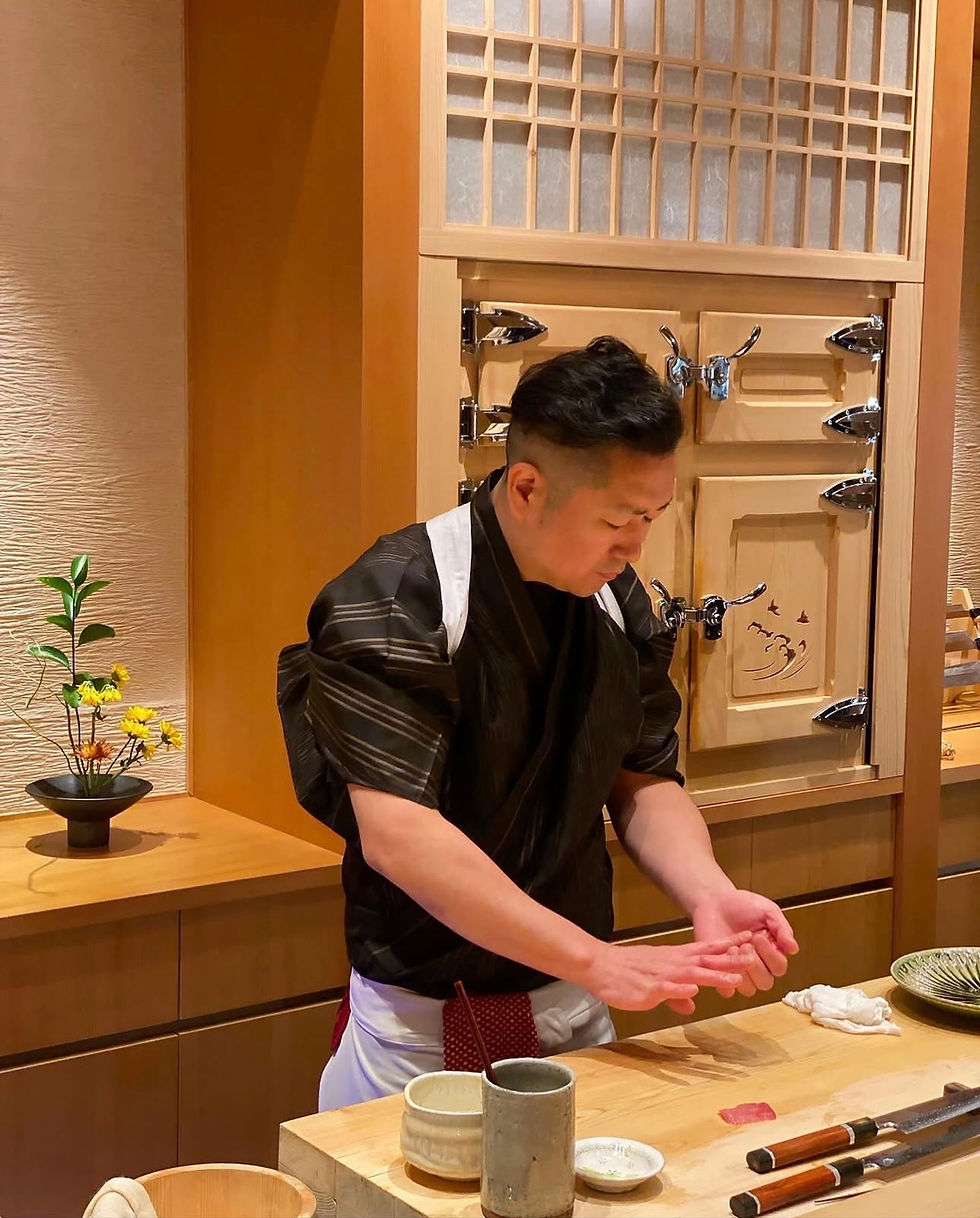
In a chef-led restaurant, that distinction becomes more meaningful. If the reputation of the kitchen is built on authorship and precision, omakase is often the purest expression of the house. At a place such as Sushi Ayumu by Masa Ishibashi, where the dining experience is shaped around craft rather than volume, that curated approach has particular relevance. Still, refinement also means understanding that not every occasion calls for the same format.
The smartest diners tend not to be ideological about it. They read the room, the occasion and their own appetite. Sometimes the right move is to settle in and let the chef lead. Sometimes the right move is to order exactly what you want, with clarity and ease.
If you are deciding between the two, ask a simple question before you book or order: do you want to be guided, or do you want to choose? The answer will usually tell you everything you need to know.



Comments