Sushi Tasting Menu Review: What Matters Most
The first piece lands, and the entire meal declares its standards at once. In any honest sushi tasting menu review, that opening bite matters more than theatre, more than rarity, and more than price. Rice temperature, knife work, restraint in seasoning, and the confidence to let the fish speak - these are the details that reveal whether a tasting menu is merely expensive or genuinely distinguished.
For diners who choose chef-led Japanese restaurants with care, a tasting menu is not simply a longer meal. It is an argument about judgement. Every course should show intention: why this fish, why this cut, why this sequence, why this finish. The best menus feel composed rather than crowded.
A sushi tasting menu review begins with balance
A serious tasting menu should never feel like a parade of luxury ingredients assembled for effect. Balance is the real measure. Fatty cuts need lift. Delicate fish need room. Warm dishes should support the sushi rather than interrupt it. Even the quietest course has a role in pacing the evening.
This is where many menus separate into two categories. Some chase abundance, relying on indulgence to impress. Others understand that refinement often comes from editing. A clean progression from lighter white fish to deeper, richer flavours can be more persuasive than a series of dramatic flourishes.
The rice deserves particular attention. Guests often focus on the topping, yet the rice is the structure beneath every piece. It should be shaped with precision, seasoned with clarity, and served at a temperature that flatters the fish. If it is too cold, the sushi tightens. If it is over-seasoned, nuance disappears. If it is packed too firmly, the texture becomes blunt. Excellent sushi can look modest at first glance because its discipline is internal.
What to look for in the first few courses
The beginning of a tasting menu should establish trust. That usually means clean flavours, exact proportions, and no unnecessary complication. When a chef starts with snapper (tai), fluke (hirame), squid (ika), or another delicate selection, the point is not restraint for its own sake. It is to show confidence in product and technique.
A well-judged first phase tells you several things quickly. You learn whether the chef values texture as much as flavour. You see whether seasoning is applied with a light hand. You notice whether garnishes sharpen the fish or simply decorate it. A touch of citrus, salt, or brushed soy can complete a piece. Too much turns the chef into the loudest voice in the room.
This is also when pacing becomes visible. If the first four or five servings arrive too quickly, the meal can feel transactional. If the rhythm drags, anticipation fades. The best service has an almost unspoken timing. You are given enough space to register each piece, but not so much that the sequence loses momentum.
Fish quality is only part of the story
Ingredient quality is non-negotiable, but quality alone does not produce a memorable tasting menu. A fine cut of tuna can still disappoint if handled without sensitivity. A less flashy fish can be thrilling when aged properly, sliced with care, and paired with rice that supports its character.
A thoughtful sushi tasting menu review should therefore consider treatment as much as provenance. Was the fish served at the right temperature? Did maturation deepen flavour or flatten freshness? Was the texture preserved? These decisions matter more than menu bragging rights.
Tuna offers a useful example. Akami should feel clean and mineral, not merely lean. Chutoro should carry richness without becoming heavy. Otoro, when included, should be treated carefully enough to remain elegant rather than turning into a display of excess. The same principle applies to uni and caviar in sushi menus. Luxury is persuasive only when used with control.
Technique should be visible, but never forced
One of the pleasures of a high-level tasting menu is seeing how much discipline sits behind apparent simplicity. Knife work changes texture. The pressure used to form rice changes how the piece dissolves. A brushed glaze, a scored surface, a brief cure, or a touch of charcoal can alter the balance completely.
What matters is whether these techniques feel necessary. There is a difference between precision and performance. A chef who knows exactly when to intervene and when to stop creates a menu with calm authority. Guests may not name every method, but they will feel the result.
This is often where chef-led restaurants carry a clear advantage. When the menu reflects one point of view rather than a committee of ideas, the meal tends to feel more coherent. That sense of authorship matters. It gives even familiar pieces a stronger identity.
The role of seasonal dishes and side courses
A tasting menu built entirely around nigiri can be excellent, but many of the most complete experiences use small cooked courses to broaden the evening. A clear soup, a precise chawanmushi, grilled fish, or a composed seasonal dish can create contrast and reset the palate.
The trade-off is obvious. Too many interludes can dilute the sushi itself. Too few can make the meal feel one-dimensional, especially over a longer sitting. The right answer depends on the chef's style and the length of the menu. Shorter formats often benefit from focus. Extended omakase menus usually need variation to maintain energy.
In refined dining rooms, these cooked elements should echo the same values as the sushi: clarity, restraint, and exact execution. A rich warm course can be especially effective before returning to a lighter piece, but only if the transition feels deliberate rather than decorative.
Service shapes the meal more than many diners admit
Even a strong menu can lose its edge if service misreads the room. Sushi omakase are intimate by nature. Guests need guidance, but not interruption. They want detail, but not recitation. The ideal service style is informed, composed, and attentive to tempo.
That means reading the table well. Business diners may prefer a smoother cadence and concise explanations. Couples celebrating an occasion may welcome a little more narrative. Enthusiasts often appreciate deeper detail on seasonality, sourcing, or preparation. A polished team adjusts naturally without making the experience feel scripted.
This is also where atmosphere becomes part of the review. Lighting, acoustics, spacing, and the interaction between counter and dining room all affect how the menu is received. In a premium setting, comfort and precision should work together. Ceremony is welcome. Stiffness is not.
Is it worth the price?
Value at this level is not about volume. It is about coherence. Diners should feel that the cost reflects judgement, ingredient quality, technical assurance, and hospitality. A menu can be lavish yet poor value if it relies on obvious luxury and repetitive sequencing. Another can feel entirely justified through precision and depth, even if it is quieter on paper.
Price also has to match ambition. If a restaurant positions itself at the top end of the market, guests rightly expect consistency across the entire experience - booking, welcome, pacing, drinks guidance, and final impression. Any weak point becomes more visible when standards are set high.
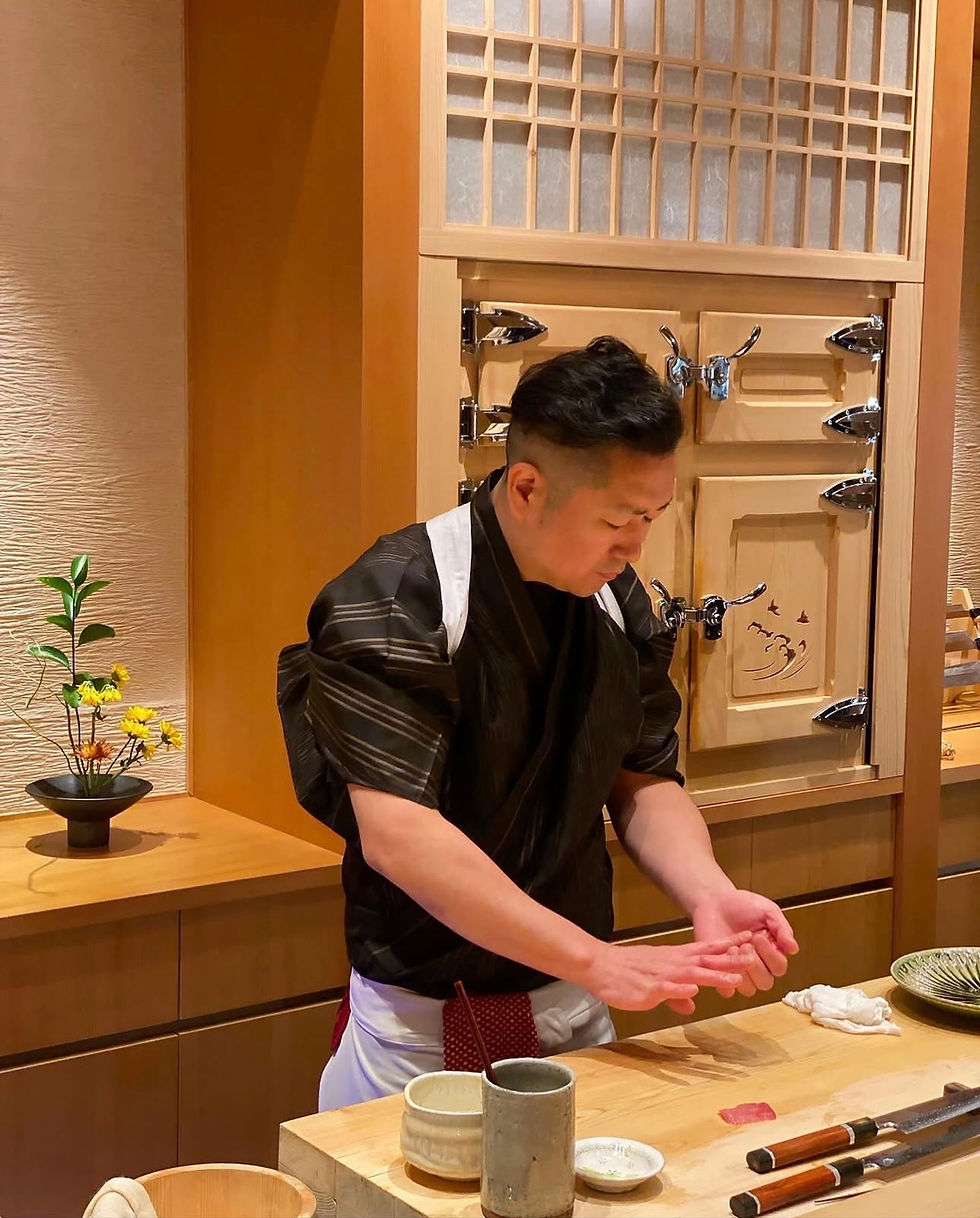
At restaurants such as Sushi Ayumu by Masa Ishibashi, that expectation is clear. Diners are not simply paying for dinner. They are choosing a chef-led experience, and with that comes a higher threshold for detail, confidence, and composure.
Final thoughts for a sharper sushi tasting menu review
The most memorable tasting menus are rarely the loudest. They stay with you because each decision feels considered, and because nothing arrives without purpose. A remarkable piece of sushi can last seconds, yet it carries the weight of sourcing, preparation, timing, and restraint.
When judging a tasting menu, look beyond rarity and spectacle. Notice the rice. Notice the order of the courses. Notice whether flavour builds with intention or merely accumulates. In the end, the finest menus do not ask for admiration. They earn it quietly, one piece at a time.



Comments