Choosing a Business Dinner Sushi Venue
The first ten minutes of a client dinner often decide the tone of the evening. If the room is too loud, service too hurried, or the menu too broad and unfocused, the conversation works harder than it should. A business dinner sushi venue can solve that quickly - but only when it is chosen with care.
Sushi has a particular advantage in professional dining. At its best, it signals judgement, restraint and confidence. It feels considered rather than showy. That matters when the table includes senior colleagues, valued clients or partners you hope to know better. The setting should support the discussion, not compete with it.
What makes a business dinner sushi venue work
The right venue offers clarity. Guests should be able to arrive, settle and speak without strain. Tables need enough space for comfortable service and private conversation. Lighting should flatter the room without forcing anyone to peer at the menu. The pace should be measured. Good business dining is rarely about theatrical excess. It is about making everyone at the table feel at ease.
There is also an unspoken element of credibility. A chef-led Japanese restaurant with a disciplined menu tends to communicate standards before the first plate arrives. That matters in business because details are noticed. People read the room, the welcome, the confidence of the staff and the quality of the ingredients. These are small signals, but together they shape perception.
Why sushi suits business dinners
Sushi Omakase is particularly effective for business occasions because it balances formality with ease. A steakhouse can feel heavy. A tasting room can feel demanding. A loud brasserie can feel impersonal. Sushi Omakase occupies a more precise middle ground.
The food encourages conversation. Dishes arrive in a natural rhythm, allowing pauses without awkwardness. Guests can share where appropriate, or order individually if that feels more comfortable. The cuisine also accommodates different appetites well. One person may want a lighter meal; another may prefer a fuller progression. Both can be served gracefully at the same table.
There is, however, a trade-off. Sushi works best when quality is unmistakable. In a mediocre setting, the simplicity of the cuisine exposes every weakness. Rice texture, knife work, temperature and freshness are difficult to disguise. For that reason, a business dinner sushi venue should never be chosen simply because sushi seems fashionable or safe, or its pricing is the cheapest. It needs to be genuinely good.
The role of atmosphere
Atmosphere is not decoration alone. In business dining, it affects whether the evening feels productive or strained. A polished room creates confidence, but polish should not become stiffness. If the space feels too formal, guests may struggle to relax. If it feels too casual, the occasion can lose its purpose.
The best rooms find balance. They are composed, calm and attentive. Music should sit in the background. Seating should allow people to face one another naturally. Staff should know when to approach and when to leave the table alone. This kind of service is often the deciding factor between a pleasant meal and a memorable one.
How to assess the menu
A business dinner menu should offer range without sprawl. Too many choices can slow the table and make ordering feel oddly strategic. Too few can create pressure if guests have dietary preferences or limited familiarity with Japanese cuisine.
A strong sushi omakase menu usually presents a clear structure: sashimi, nigiri, a few seasonal dishes, and perhaps a chef-selected option for guests who prefer guidance. This helps in a business context because it keeps decisions simple. Clients who know sushi well can order confidently. Those who do not can still choose comfortably.
It is also wise to consider how adventurous the menu is. Omakase is the most versatile and exceptional for a business dinner. If the meal is meant to impress a guest who values culinary craft and has time to engage with the experience, it is ideal.
Drinks matter too. A thoughtful sake list and well-chosen wines elevate the occasion. What matters most is not quantity but confidence. Staff should be able to guide pairings without turning the meal into a lesson.
Service that understands the occasion
In business dining, excellent service is often quiet service. The team should understand pacing instinctively. Courses should not arrive all at once, nor should long gaps interrupt the flow of conversation. Empty plates should disappear without fuss. This is where Omotenashi (Japanese way of Hospitality) shines.
There is a subtle difference between attentive and intrusive. At a client dinner, this distinction matters more than in almost any other setting. You may need moments of privacy to discuss figures, terms or next steps. A refined venue recognises that a successful evening is not just about food. It is about creating the right conditions for trust.
This is where reservation management also counts. A business dinner should begin smoothly. Waiting by the door with a guest, or discovering that a booking has not been handled properly, immediately lowers confidence. The best venues respect time and understand that punctuality is part of hospitality.
When a private room is worth it
A private room is not always necessary, but in some cases it changes the quality of the evening entirely. If the dinner involves confidential discussion, senior stakeholders or a small group where discretion matters, privacy is often worth the investment.
It also helps with acoustics. Even excellent main dining rooms can become lively as the evening develops. A private room allows conversation to remain clear and controlled. For presentations, delicate negotiations or relationship-building with high-value clients, this can make the setting far more effective.
That said, private dining should still feel connected to the restaurant's standards. Some venues treat private rooms as an afterthought. The atmosphere becomes flat, and service loses its rhythm. The better approach is a room that offers intimacy without sacrificing the character of the main restaurant. This is where a chef-led, hospitality-driven venue tends to stand apart.
Common mistakes when choosing a business dinner sushi venue
One common mistake is choosing solely by reputation. A restaurant may be fashionable and still be wrong for business. If it is known for queues, noise or dramatic service, it may suit a social evening better than a professional one.
Another mistake is overestimating how adventurous guests want to be. Sea urchin, shirako or a highly specialised omakase can be wonderful, but not every table wants that level of commitment. Advance planning with the restaurant is recommended.
Price also requires judgement. Too modest and the occasion may feel underpowered. Excessive spending, on the other hand, can create discomfort. A refined venue should communicate value through quality and care, not conspicuous excess.
A more precise standard for business dining
A strong business dinner is rarely remembered for one dramatic course. More often, it is remembered as an evening that felt easy. The room was right. The service was composed. The food was excellent without demanding attention at the wrong moments. The conversation moved naturally, and everyone left with a clearer impression of one another.
That is the standard worth using when evaluating a business dinner sushi venue. Not whether it is trendy, not whether it is the hardest reservation to secure, but whether it creates the right setting for serious hospitality.
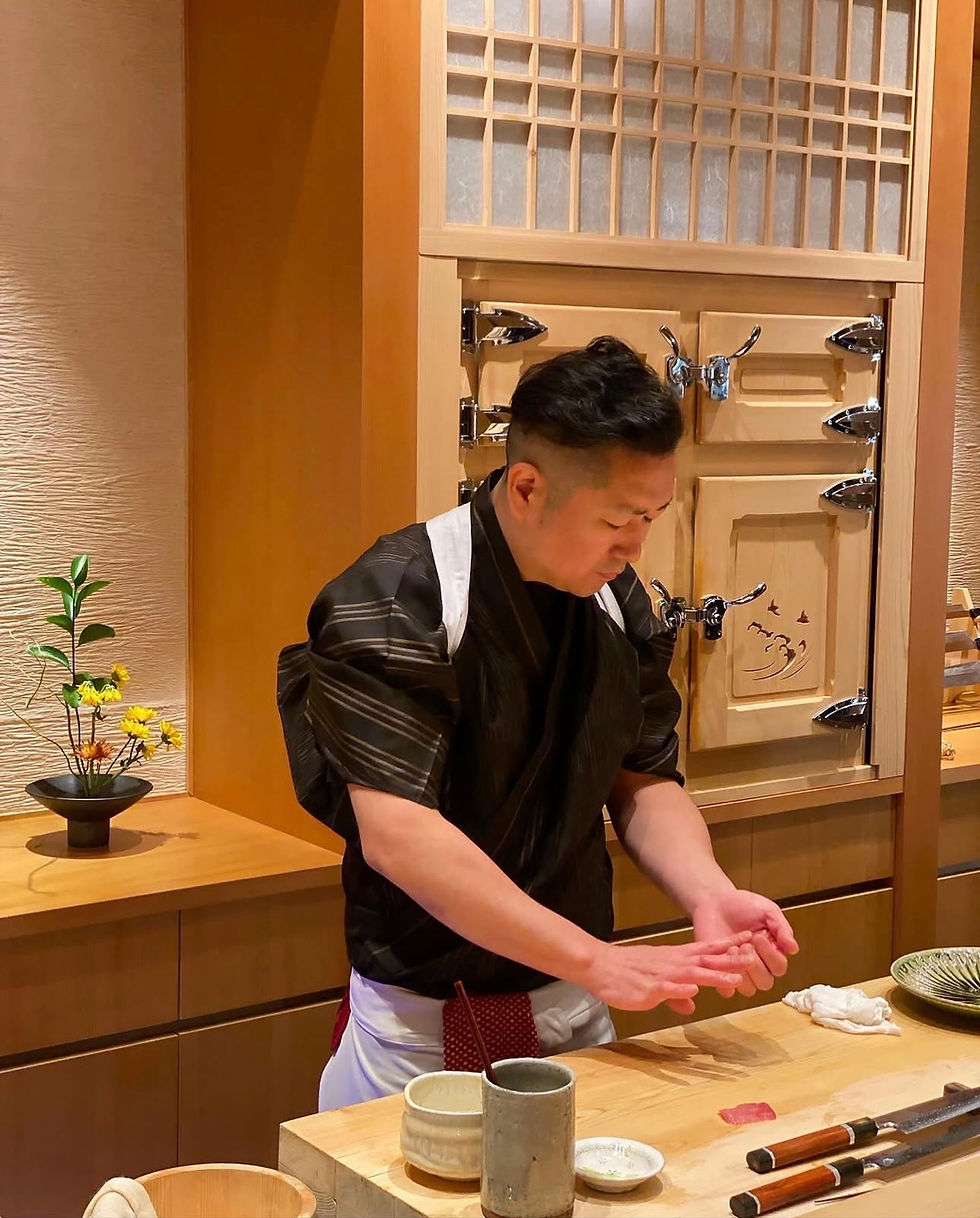
For guests who expect authenticity, craft and a more polished experience, a restaurant such as Sushi Ayumu by Masa Ishibashi reflects what business dining should be: precise, calm and confidently understated. That balance is difficult to achieve, which is exactly why it leaves such a strong impression. Furthermore, Sushi Ayumu by Masa Ishibashi offers 3 different dining rooms to meet every business needs and requirement. This is highly unusual among high end sushi restaurants.
Choose the venue as carefully as you would choose the guest list. When the room, menu and service are aligned, dinner stops being a formality and becomes part of the relationship itself.



Comments