10 Best Japanese Dishes for Celebrations
Updated: Jul 31
A celebration deserves more than a larger table or a more expensive bottle. The best Japanese dishes for celebrations bring a sense of occasion through seasonality, precision and generous hospitality. They can be quietly intimate or designed for a full room, but each has a purpose: to mark a moment with food that feels considered.
Japanese celebratory dining is not defined by excess. It is defined by balance. A fine cut of fish, rice prepared at the right temperature, a course served at its peak - these details turn a meal into a memory. The right menu will depend on the occasion, the number of guests and whether the gathering calls for ceremony, ease or a little of both.
The best Japanese dishes for celebrations
1. Omakase sushi
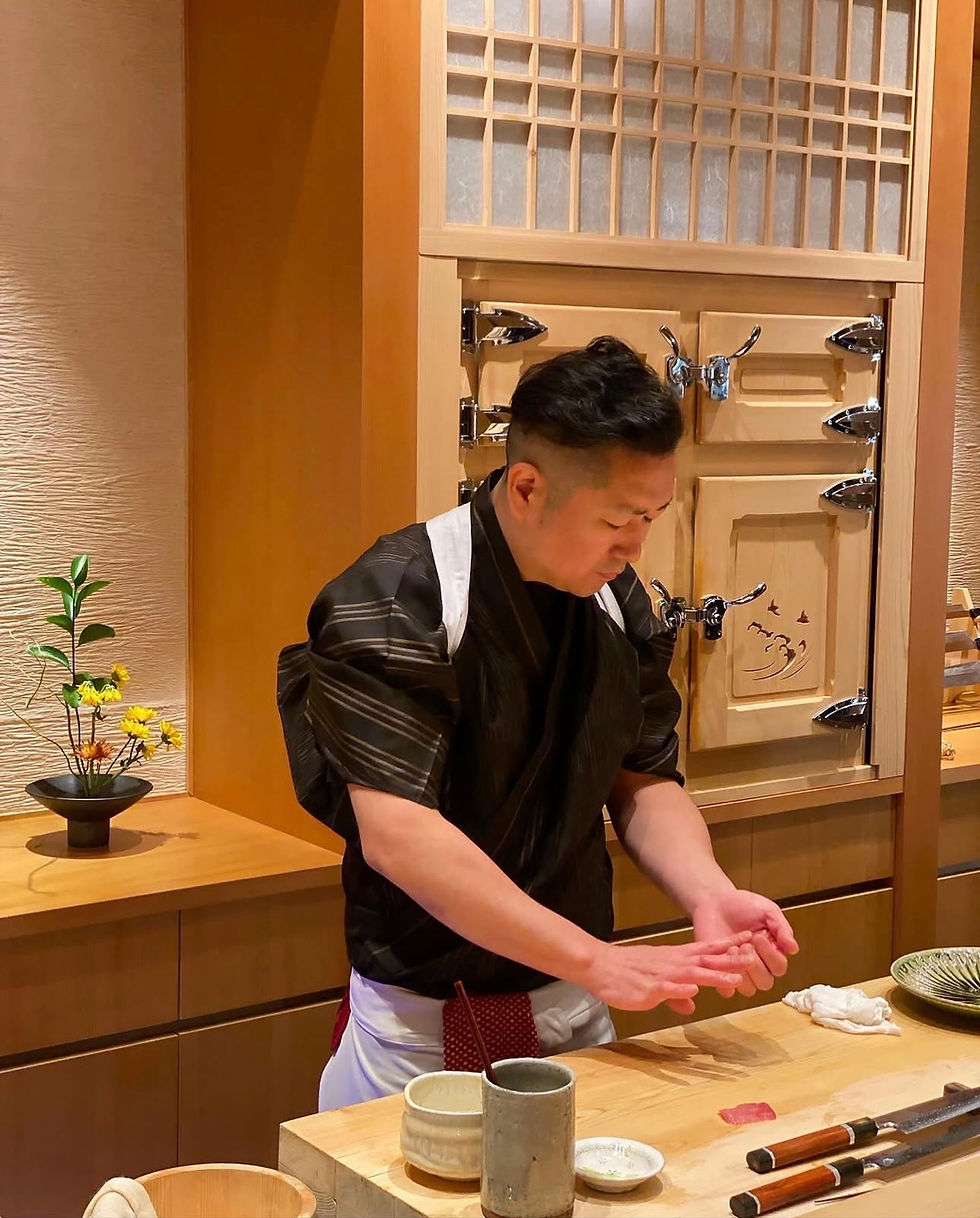
For a milestone dinner, few experiences feel as personal as omakase. Meaning “I leave it up to you”, omakase places the progression of the meal in the chef’s hands. The menu may move from delicate white fish to richer cuts, cooked dishes and a final sequence of nigiri, each course shaped by the day’s finest ingredients.
It is especially suited to anniversaries, important birthdays and client dinners where conversation matters. The experience has a natural rhythm: guests are invited to slow down, notice the details and share the anticipation of what arrives next.
Omakase is less practical for a large, highly informal party, particularly where guests have very different appetites or dietary requirements. In those cases, a curated sharing menu can offer more flexibility while retaining the same level of care.
2. Chirashi sushi
Chirashi sushi is celebratory in a more generous, colourful form. A bowl or platter of seasoned rice is topped with an arrangement of seafood, tamago, vegetables and garnishes. Its name translates as “scattered sushi”, though a beautifully prepared version is anything but casual.
This is an excellent choice for lunch celebrations, family gatherings and occasions where a composed, abundant presentation is wanted without the formality of a long tasting menu. It also allows for variation: the toppings can reflect the season, and cooked elements can sit alongside raw fish for guests who prefer them.
3. Tai no shioyaki
Salt-grilled sea bream, known as tai no shioyaki, has a special place in Japanese celebrations. Tai is associated with medetai, a word expressing happy or auspicious occasions, which makes it a traditional choice for milestones, new beginnings and family events.
When served whole, the fish has immediate presence at the table. Its flavour is clean and understated, allowing the quality of the fish and the skill of the grill to speak clearly. This is a dish for hosts who appreciate tradition and prefer elegance to spectacle.
A whole fish works best when the table is prepared to share. For a smaller party, a beautifully grilled fillet can preserve the spirit of the dish while making service simpler.
4. Sashimi at its peak
Exceptional sashimi is a statement of confidence. There is nowhere for an ingredient to hide, so freshness, knife work and temperature are decisive. A celebratory sashimi course might include sweet scallop, rich toro, translucent hirame or a seasonal shellfish, each served with restraint.
For guests who know Japanese cuisine well, sashimi can be among the most memorable courses of the evening. It invites comparison, conversation and appreciation without overwhelming the palate. It also pairs naturally with sake, where a crisp, dry style can sharpen the sweetness of seafood.
For a mixed group, sashimi is best offered as part of a wider meal rather than the entire centrepiece. A warm dish or two ensures the menu feels welcoming to everyone at the table.
5. Wagyu beef
Wagyu brings warmth and richness to a celebratory menu. Whether lightly grilled, served as a refined steak course or incorporated into sukiyaki, its marbling and deep savoury character create a sense of indulgence without needing elaborate presentation.
It is a strong choice for winter dinners, business occasions and groups where not every guest is drawn to raw fish. A small, expertly prepared portion is often more effective than a large serving. The aim is pleasure and contrast, particularly after lighter seafood courses.
The trade-off is balance. A menu built around wagyu needs acidity, freshness and perhaps a clear broth or seasonal vegetables alongside it, so that the meal retains its poise.
6. Tempura with seasonal vegetables and seafood
At its best, tempura is airy, delicate and remarkably precise. The batter should frame the ingredient rather than weigh it down, leaving a prawn, mushroom, shiso leaf or piece of seasonal vegetable crisp and vivid.
Tempura offers an appealing bridge between the familiar and the exceptional. It is often one of the easiest celebratory dishes for a group, as it brings warmth and texture while remaining refined. Served fresh from the kitchen, it adds energy to a sequence of cooler courses.
Season matters here. Spring vegetables, autumn mushrooms and sweet winter seafood each give the dish a distinct character, making it an elegant way to let the time of year shape the occasion.
7. Chawanmushi
Chawanmushi is a savoury steamed egg custard, often finished with seafood, mushroom or dashi. It is subtle, silky and deeply comforting. While it may not command attention in the way a whole sea bream does, it is frequently the dish guests remember for its unexpected depth.
For a formal dinner, chawanmushi creates a moment of calm between more assertive courses. Its warmth makes it particularly welcome in colder months, while its lightness means it does not disrupt the pace of a tasting menu.
8. Sukiyaki or shabu-shabu
For gatherings built around conversation, cooking at the table is difficult to surpass. Sukiyaki combines thinly sliced beef, vegetables and tofu in a sweet-savoury broth. Shabu-shabu is lighter, with ingredients briefly swished through a clear, simmering stock.
Both dishes make the meal participatory. They suit family celebrations and close groups, where the pleasure comes as much from sharing the process as from the finished plate. Sukiyaki feels fuller and more luxurious; shabu-shabu is often the better choice when the group wants a cleaner, more delicate meal.
These formats are less suited to a restrained business dinner, where table-side cooking may interrupt the flow of conversation. For private gatherings, however, they bring warmth and a genuine sense of togetherness.
9. Sekihan
Sekihan is red rice cooked with azuki beans, traditionally prepared for auspicious occasions such as birthdays, births and achievements. Its meaning is as significant as its flavour. Served alongside a more elaborate meal, it brings a quiet connection to Japanese celebratory custom.
It is not necessarily the centrepiece for every restaurant occasion, but it can be a thoughtful addition when the event has personal significance. For hosts seeking authenticity, small touches like this can carry more feeling than decorative excess.
10. A considered dessert course
The final course should not feel like an afterthought. Japanese desserts often favour clean flavours and careful texture: matcha, black sesame, yuzu, seasonal fruit and softly sweet red bean can provide a graceful close after fish, dashi and grilled dishes.
For birthdays and anniversaries, dessert can carry the most personal note of the evening. The best approach is usually understated rather than theatrical. A beautiful seasonal finish, served at the right moment, allows guests to linger without turning the meal into a performance.
Building a celebratory Japanese menu
The most successful celebratory menus combine contrast. Begin with something cool and precise, such as sashimi or a small appetiser. Follow with warmth - perhaps chawanmushi, tempura or a grilled course - then introduce a richer centrepiece such as wagyu or sea bream. Sushi can provide a fitting climax, before a light dessert returns the palate to clarity.
For a private dinner, the room itself can shape the experience. A quieter setting gives a chef-led meal the attention it deserves and lets hosts speak freely with their guests. At Sushi Ayumu by Masa Ishibashi, a reservation-led experience or private room can offer the right degree of occasion without sacrificing ease.
The finest celebration is not always the longest menu or the rarest ingredient. Choose dishes that reflect the people at the table, the season and the reason for gathering. When the food is prepared with intention, even a single piece of sushi can say something worth celebrating.



Comments