Best Dishes for Business Dinners at Japanese Tables
Updated: Sep 23
A business dinner is rarely only about the food. The best dishes for business dinners make conversation easy, reflect considered judgment, and give every guest something to enjoy without demanding attention. Japanese dining is particularly well-suited to the occasion: precise, generous, and quietly impressive.
The aim is not to order the most extravagant item on the menu. Instead, it is to create a meal with a natural rhythm—one that begins confidently, accommodates different appetites, and ends without the heaviness or distraction of an overly ambitious spread.
What Makes a Dish Right for a Business Dinner?
A strong business-dinner menu has three qualities: it is easy to share or enjoy individually, it presents beautifully without being theatrical, and it respects the pace of the table. Guests should not need instructions, specialized techniques, or a great deal of attention to navigate their plates.
This is why carefully composed Japanese dishes work so well. Exceptional fish, rice, seasonal vegetables, and clean broths have clarity. They reward attention but do not interrupt the purpose of the evening. A well-chosen meal signals taste and care rather than excess.
Consider the relationship before deciding on the format. A first meeting with a prospective client may call for a composed selection and modest pacing. A small team dinner or an established client relationship can support a more expansive shared meal. In either case, discreet service and a measured sequence matter as much as the individual dishes.
Best Dishes for Business Dinners in Japanese Cuisine
A Refined Selection of Sushi
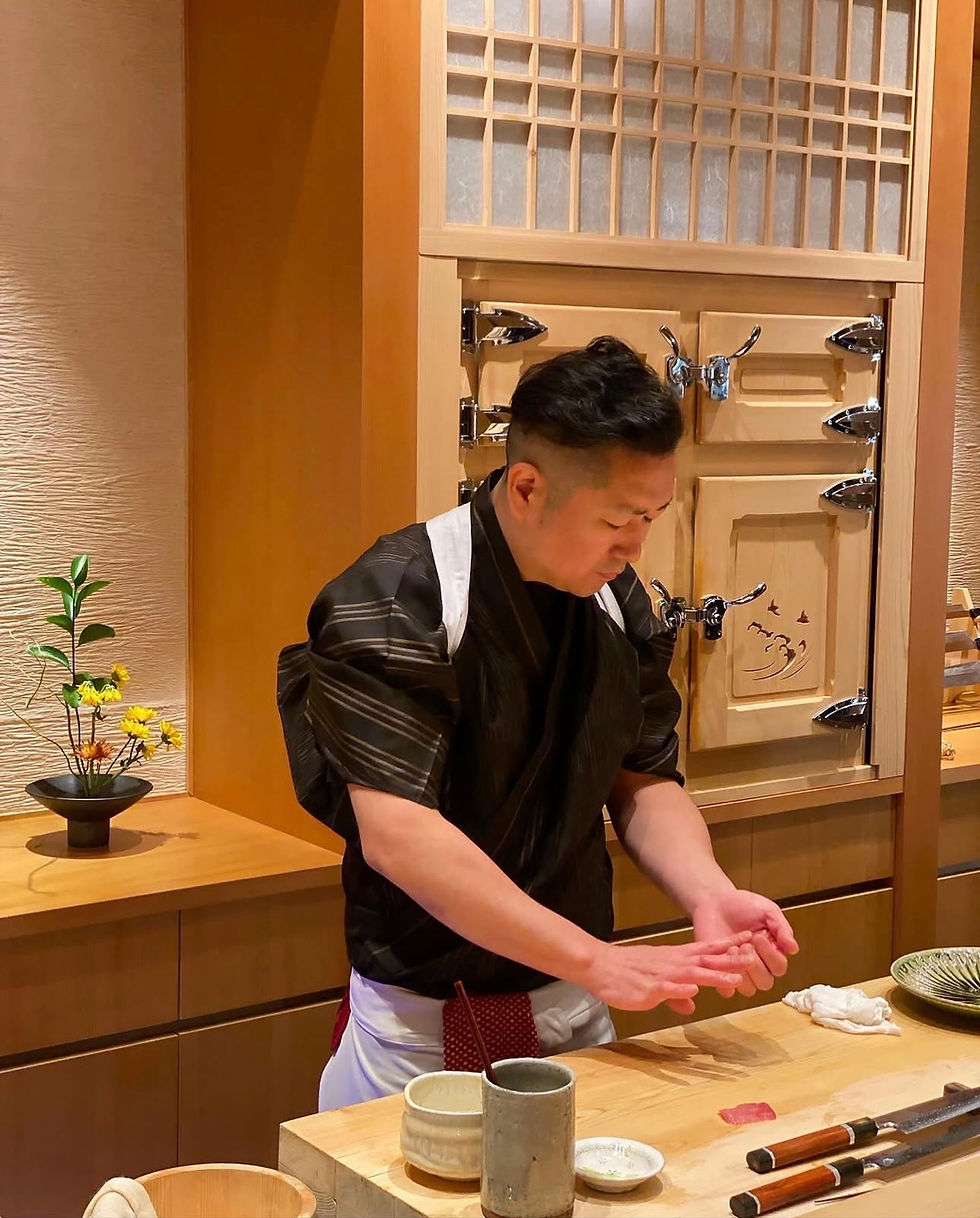
Sushi Omakase is often the most assured centerpiece for a business dinner. Nigiri offers a clear expression of craft and ingredient quality, while maki provides familiar, approachable variety. A selection chosen by the chef or guided by the season removes the need for prolonged menu deliberation and gives the meal a sense of occasion.
For a mixed group, balance is essential. Include both lighter white fish and richer options, alongside a few cooked or vegetable choices. This avoids assuming that every guest is comfortable with raw fish while preserving the elegance of the experience. Hand rolls are excellent when the dinner is relaxed, although they are best served as a later course rather than the foundation of a formal conversation, as they are intended to be enjoyed promptly.
Omakase can be an exceptional choice for a smaller group that is open to the chef’s direction. It conveys trust in the kitchen and creates a naturally paced evening. However, it suits guests who are adventurous and free from complex dietary requirements. Confirm preferences in advance, rather than raising them across the table at the moment of service.
Sashimi for a Composed Opening
A sashimi course is elegant without being overly filling. It gives guests a chance to settle in, perhaps alongside a restrained aperitif or tea, before the dinner develops. The clean presentation also establishes the tone of the evening: attentive, calm, and ingredient-led.
Choose sashimi when fish quality is central to the restaurant’s identity and when the group will appreciate the distinction between varieties. For guests less familiar with Japanese dining, a mixed starter that includes cooked elements may be more welcoming. The best host reads the table rather than ordering solely for personal preference.
Tempura and Grilled Dishes for Balance
Not every guest wants a meal based around raw fish. Tempura, grilled seafood, and carefully prepared meat dishes add warmth and familiarity, creating a more inclusive menu. Their role is not to make the dinner heavy but to give the table contrast in texture and flavor.
Light tempura vegetables or prawns are particularly effective as shared courses. They arrive with visual appeal and are easy to enjoy in small portions. A grilled fish dish can provide a more substantial centerpiece for those who prefer cooked food, while a well-prepared wagyu course may suit a celebratory dinner with a modest number of diners.
Here, restraint is valuable. Several rich fried dishes, followed by a substantial meat course, can leave the table sluggish. Choose one warming element, then allow the freshness of sushi, sashimi, or seasonal vegetables to carry the rest of the meal.
Seasonal Vegetables and Thoughtful Sides
The dishes that make a group feel considered are often the quieter ones. Edamame, dressed greens, mushroom dishes, sweetened fruits (wakamono) or pickles as palette cleanser and seasonal vegetable preparations give the table color and range. They also ensure that guests with lighter appetites are not left with an afterthought.
Miso soup or a clear seasonal soup can be especially welcome in cooler months, adding comfort without slowing the meal. Rice should be treated with similar care. It is integral to sushi, of course, but an additional rice dish may be unnecessary when nigiri is already central to the menu. Avoid ordering by habit; every dish should earn its place.
How to Order with Confidence
The most polished business dinner feels effortless because the host has made a few decisions before anyone sits down. Confirm the number of guests, dietary needs, and any preferences around raw fish, shellfish, or alcohol when booking. If the purpose is sensitive or the conversation requires privacy, a private dining room can give the evening greater ease.
At the table, begin with two or three shared dishes, followed by individual sushi or a chef-led progression. This creates a welcoming start while ensuring that no guest needs to compete for the final portion of a centerpiece. For a group of four to six, it is often better to order in stages than to fill the table at once. The dinner can respond to appetite and conversation rather than becoming a logistical exercise.
Ask the restaurant to guide you towards what is at its best that evening. Seasonal availability is part of the value of serious Japanese dining. A host who is willing to be guided by the chef demonstrates discernment, not uncertainty.
Sushi Ayumu by Masa Ishibashi offers the kind of chef-led setting where this approach feels natural: a considered meal, served with precision, for guests whose time and company matter.
Drinks That Support the Conversation
Drinks should complement the food and the purpose of the evening, not dominate it. Crisp champagne or sake can work beautifully with sushi and sashimi, while a restrained white wine may feel more familiar to some guests. A light beer is dependable for a relaxed group. Offer non-alcoholic choices with the same attention, such as green tea, sparkling water, or a carefully balanced alcohol-free aperitif.
Avoid making drinks a test of knowledge. One considered recommendation is enough. The conversation should remain the focus, and nobody should feel obliged to match the host’s pace.
The Details Guests Remember
Guests tend to remember whether they felt looked after. That may mean choosing a table where everyone can hear one another, allowing enough time between courses, or making sure a colleague with dietary needs has choices as appealing as everyone else’s. It may also mean recognizing when a concise dinner is better than a lengthy tasting experience.
Dessert is optional, but a small, refined finish can give the evening a graceful close. Matcha, seasonal fruit, or a light Japanese sweet is usually more appropriate than an elaborate finale. It leaves space for a final conversation, a warm thank you, and an unhurried departure.
The right business dinner does not announce its importance. It lets good ingredients, thoughtful hospitality, and well-chosen company speak for themselves.



Comments