12 Chef Tasting Menu Examples That Work
Updated: Jul 22
A tasting menu succeeds or fails in the space between anticipation and restraint. Guests are not simply ordering food. They are placing trust in the chef's judgement, the kitchen's pacing, and the restaurant's sense of occasion. That is why strong chef tasting menu examples matter. They show how a meal can move with purpose, reveal a point of view, and leave nothing feeling excessive.
For a restaurant built on craft, a tasting menu is never a random sequence of small plates. It is authorship. Every course must justify its place, whether the format is a concise five-course progression or a longer omakase at the counter. The best versions feel composed rather than crowded.
What good chef tasting menu examples have in common
Across different cuisines and price points, the strongest tasting menus share a few traits. First, there is a clear arc. The meal opens with precision, gathers depth, reaches a peak, and finishes with clarity. Second, there is contrast. Temperature, texture, richness and portion size are all managed carefully so the guest remains engaged.
The third element is discipline. A tasting menu should not become a catalogue of everything the kitchen can do. Too many ideas weaken the experience. Too much luxury, badly paced, can feel heavy rather than memorable. Even premium ingredients require editing.
For Japanese dining in particular, that discipline matters even more. Seasonality, rice blend and temperature, knife work and timing are not background details. They are the meal.
12 chef tasting menu examples worth studying
1. The classic omakase progression
This is perhaps the purest example of chef-led dining. The structure often begins with a light seasonal appetiser, followed by sashimi, a sequence of nigiri, small seasonal dishes (otsumami), soup and a measured dessert. Its power lies in directness. The guest experiences the chef's judgement course by course, often with very little distraction.
What makes it effective is control. The chef can adjust pacing to the guest, the fish, and the moment. The trade-off is that it demands absolute consistency. A casual room can struggle to carry the formality of it.
2. The seasonal kaiseki-style menu
A kaiseki-inspired tasting menu places seasonality at the centre. Courses may include a sakizuke, clear soup, sashimi, grilled dish, steamed course, rice and dessert, with each step reflecting the time of year. The goal is not abundance for its own sake, but harmony.
This format suits diners who appreciate subtle shifts rather than dramatic flourishes. It is elegant and culturally grounded, though it requires a kitchen capable of precision across several techniques.
3. The sushi counter tasting menu
This version narrows the focus. Rather than moving broadly across the kitchen, it centres on a progression of nigiri, perhaps with a few otsumami interspersed throughout the course. It is one of the clearest chef tasting menu examples for restaurants that want to highlight ingredient quality and rice craft above all else.
Its advantage is clarity. Guests understand what they have come for. The limitation is obvious too - if the product is not exceptional, there is nowhere to hide.
4. The five-course modern Japanese menu
A five-course tasting menu can be ideal for urban diners who want refinement without committing to a very long sitting. A typical progression might include a small opening bite, sashimi, a cooked seafood course, a main with wagyu or miso-marinated fish, and dessert.
This format works well for weeknights, business dinners and guests new to tasting menus. It feels accessible, but still ceremonial. The challenge is balance: with fewer courses, each one must do more.
5. The seafood-led tasting menu
Here, the identity of the meal rests almost entirely on the sea. Oyster or shellfish to begin, followed by raw fish, then a grilled or steamed course, perhaps a broth, and a refined rice finish. This can be stunning when the sourcing is strong and the menu is shaped around freshness rather than decoration.
It is especially effective for restaurants with close supplier relationships. Still, seafood on seafood can become monotonous if texture and temperature are not varied.
6. The market-driven daily menu
Some of the most compelling tasting menus are not fixed at all. The chef writes the menu around what arrives that day, changing dishes frequently or even nightly. Guests are buying into the chef's eye and the quality of the market, not a permanent signature list.
This creates freshness and prestige. It also carries risk. A daily-changing menu demands operational confidence, informed service staff and regular guests who understand that flexibility is part of the value.
7. The tasting menu built around one star ingredient
A menu can also be structured around a single focal point - tuna, crab, uni, wagyu or even a seasonal ingredient such as truffle. When handled properly, this creates coherence and drama. The ingredient appears in different forms, each showing a separate strength.
The danger is repetition. A star-ingredient menu needs contrast from supporting elements, otherwise it can feel like a theme rather than a fully realised meal.
8. The regional Japanese tasting menu
A chef may choose to build a menu around a region, such as Hokkaido, Kyushu or Kyoto influences. This allows the meal to tell a more specific story through produce, preparation and seasoning.
For diners who value authenticity, this can be deeply persuasive. It gives context to the experience. But the concept must remain legible on the plate. If the regional references are too obscure or over-explained, elegance is lost.
9. The chef's counter with sake pairing
In this format, the tasting menu is designed in close dialogue with drinks. Delicate nigiri may sit beside a crisp junmai, while a richer cooked course is paired with something more textured. The result can sharpen the entire meal.
This works best when the drinks service is as considered as the food. Poor pairings or rushed explanations can make a premium menu feel transactional. Done well, it elevates the evening without adding noise.
10. The private dining tasting menu
For celebrations, client dinners or discreet group occasions, a private room tasting menu often needs a slightly different rhythm. Courses may be more generously paced, a touch more familiar, and easier to enjoy while conversation continues.
That does not mean simpler in quality. It means more attentive to the social setting. A counter-style omakase can be too intimate for some groups, while a private dining sequence offers polish with flexibility.
11. The vegetarian or plant-led tasting menu
A serious restaurant should not treat a vegetarian tasting menu as an afterthought. The best examples are designed from the beginning, using seasonality, texture and umami with the same care given to fish or meat.
This format appeals not only to vegetarians but also to guests curious about a lighter expression of the kitchen. The challenge is avoiding predictability. Repeated purées, roots and soft textures can flatten the experience quickly.
12. The short tasting menu with optional additions
Some restaurants now offer a concise base menu, perhaps four or five courses, with the option to add signature nigiri, caviar, wagyu or a seasonal speciality. This can suit modern diners who want control over spend and appetite.
Commercially, it is smart. From a guest perspective, it feels flexible rather than rigid. Yet there is a fine line. If too much of the experience sits outside the base menu, the original offering can feel incomplete.
How to choose the right tasting menu format
The right format depends on what the restaurant wants to be known for. If the chef's greatest strength is sushi craft, a focused omakase or sushi counter menu is often stronger than a broad fine dining sequence. If the kitchen excels across hot and cold sections, a longer seasonal progression may show more range.
Guest behaviour matters as well. A city restaurant may need one tasting menu for leisurely evenings and another for guests with less time. Business diners often want polish without unpredictability. Couples celebrating may welcome a longer, more immersive pace. There is no single ideal length. There is only fit.
Pricing should reflect not just ingredients, but the confidence of the experience. A tasting menu commands a premium when the guest feels guided, not managed. Service, timing and comfort carry as much weight as the lobster or toro.
What guests remember most
Diners rarely leave talking only about the most expensive course. More often, they remember the moment the meal found its rhythm. A first bite that sharpened the appetite. A piece of nigiri served at exactly the right temperature. A broth that reset the palate before the final savoury course.
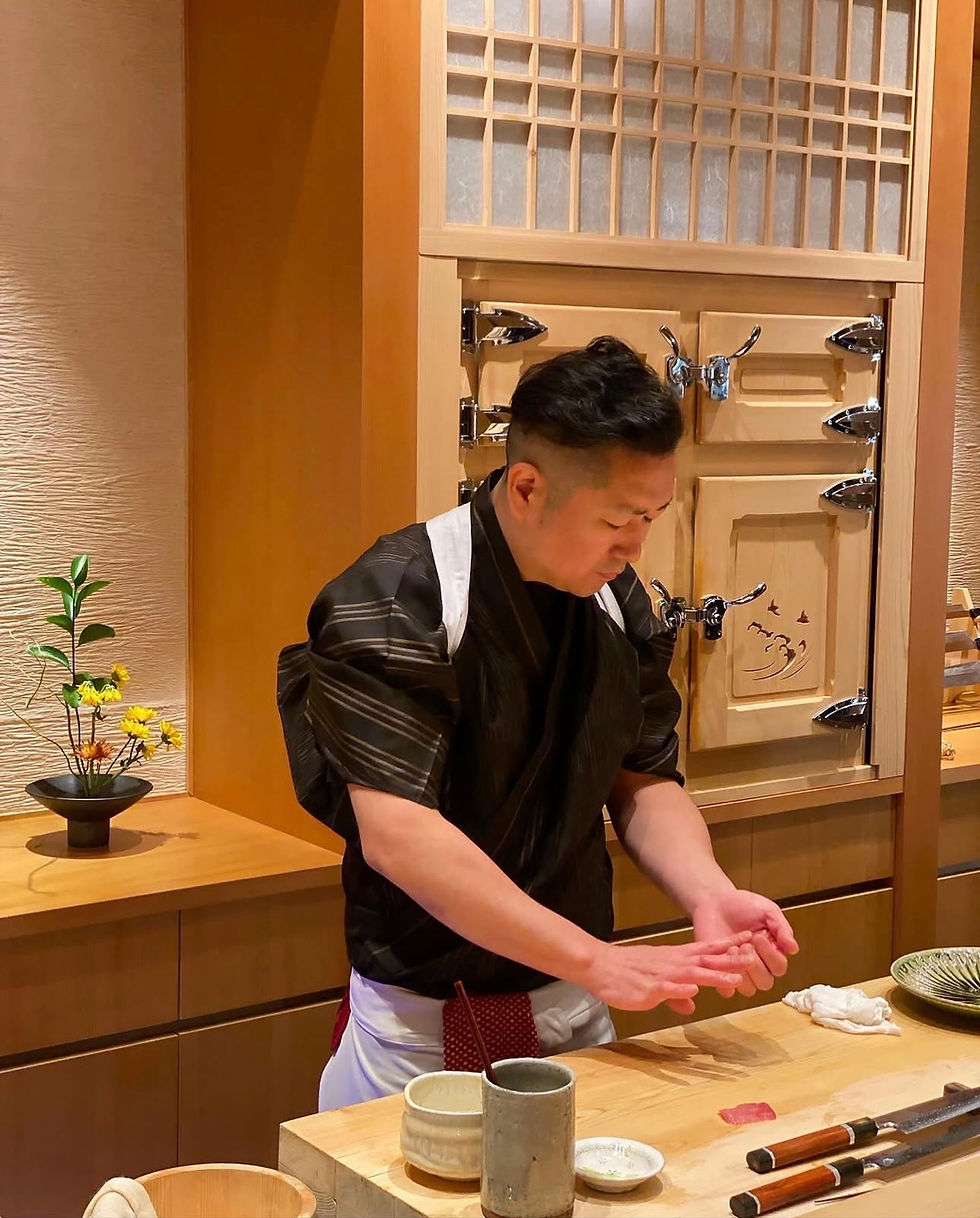
That is the standard refined restaurants should keep in view. The strongest tasting menus do not overwhelm. They reveal judgement. At a restaurant such as Sushi Ayumu by Masa Ishibashi, that distinction matters. A chef-led meal should feel precise, calm and assured from the first course to the last.
If you are considering a tasting menu, look beyond length and luxury. The question is simpler: does the menu have a point of view, and can the kitchen carry it with grace? When the answer is yes, the evening tends to stay with you long after the final plate is cleared.



Comments