
How to Host a Business Dinner With Quiet Confidence
A business dinner is often decided before the first course arrives. The guest has noticed whether the reservation is in place, whether the table allows private conversation, and whether you seem present rather than preoccupied. Knowing how to host a business dinner is less about formality for its own sake. It is about creating the conditions for good judgement, candid discussion and a relationship that can continue beyond the evening.
The strongest hosts make the occasion feel considered, never overproduced. They choose well, arrive prepared and give their guests room to enjoy the table.
How to host a business dinner: start with the purpose
Before choosing a restaurant or inviting anyone, be clear about why you are meeting. A dinner to thank a long-standing client requires a different atmosphere from a first meeting with a prospective partner. A team celebration can carry more energy; a sensitive negotiation needs discretion and a measured pace.
This purpose should shape every decision: the number of guests, the seating arrangement, the budget and the degree of ceremony. If the aim is to learn more about a client’s priorities, keep the group small. Four to six people often allows a meaningful conversation without placing anyone under pressure. If the aim is recognition, a larger table may be appropriate, provided everyone can still participate.
Avoid making the invitation vague. State the occasion, offer a clear date and time, and make it easy for guests to share dietary requirements. This signals care without turning the dinner into an administrative exercise.
Choose a setting that supports the conversation
The room matters as much as the menu. A beautiful dining room that is too loud, rushed or crowded can work against the evening. Look for a restaurant with attentive service, comfortable spacing and a table where guests can speak at a natural volume.
Private dining is particularly valuable when discussing commercial matters, confidential plans or senior appointments. It creates focus and removes the small interruptions that can fragment a conversation. Yet privacy is not always necessary. For a relaxed relationship-building dinner, a composed main dining room can feel warmer and less formal.
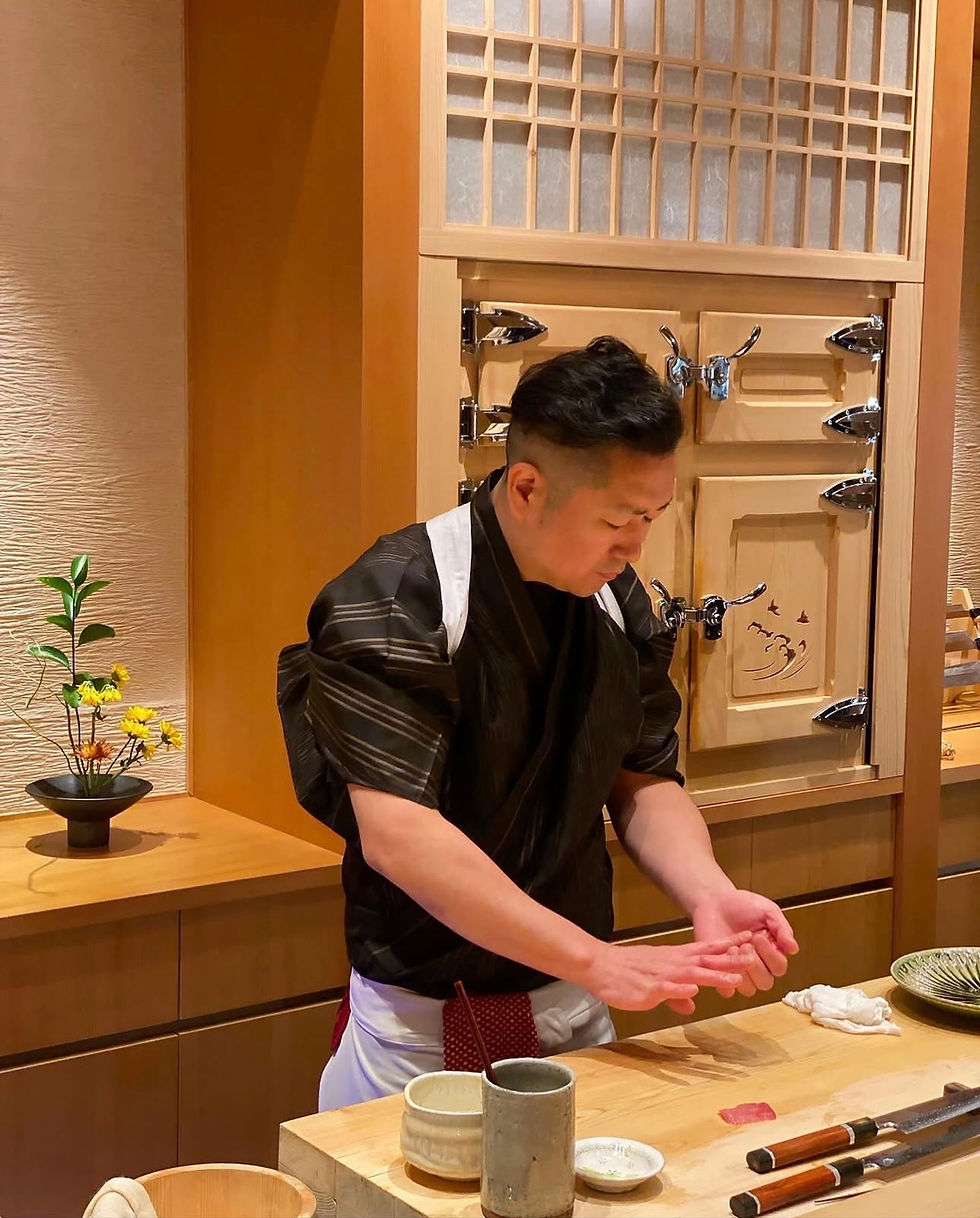
Food should be distinctive enough to make the occasion memorable, but not so unfamiliar or difficult to eat that it becomes the subject of the entire evening. A refined Japanese dining experience is well suited to business hospitality because it rewards attention to seasonality, precision and pacing. At Sushi Ayumu by Masa Ishibashi, a private-room setting can offer the discretion needed for a more considered gathering.
Book early, especially for a sought-after evening or a group of more than four. When making the reservation, confirm the purpose of the dinner, ask about dietary accommodations and clarify whether a quieter table or private room is available. A good restaurant can guide the flow of the meal when it understands what the occasion requires.
Plan the guest list and seating with care
Every person at the table changes its dynamic. Invite only those who have a reason to be there. An oversized guest list can make a client feel outnumbered, while bringing a junior colleague without a clear role may create an awkward hierarchy.
Where possible, balance seniority across both sides. If your guest is bringing a decision-maker, ensure someone of comparable authority is present from your organisation. This is not about status alone. It helps the discussion feel properly matched and prevents one person from carrying the full burden of conversation.
Seating should be intentional but unobtrusive. Place the principal guest where they are comfortable, not at the far end of a table where conversation divides into separate groups. Seat people with a natural point of connection near one another, but do not force a commercial pairing if personalities or subjects are likely to clash.
If you are hosting a small group, consider the dinner from your guest’s perspective. Who will they know? What can they contribute? Will they leave with a sense that their time was respected? These questions are more useful than simply asking who ought to attend.
Set the tone before anyone sits down
Arrive early. Ten to fifteen minutes is usually enough to greet the restaurant, review the table and settle any practical details. Confirm the name under the booking, the timing of courses if relevant, and the discreet signal you will use for the bill. The host should never be searching for a reservation while guests are waiting at the entrance.
Welcome each person personally. Introduce guests with a small detail that gives the other person an immediate opening: their field of expertise, a shared connection or the reason they are joining the evening. Keep introductions accurate and brief. Grand descriptions can make people self-conscious.
The opening conversation should be light, but not empty. Ask about a recent journey, an industry development, a cultural interest or a local recommendation. Do not begin with the most consequential business question while coats are still being placed aside. Give the table time to settle.
A useful rhythm is to let the first part of the meal establish rapport, move towards the central subject once everyone is comfortable, then return to wider conversation as the evening progresses. It depends on the nature of the meeting, of course. A time-sensitive decision may need to be addressed earlier. Even then, lead with context rather than a demand for an answer.
Order with generosity, not excess
The host should make ordering easy. If the restaurant offers a tasting menu or chef-selected experience, it can provide an elegant structure and reduce the need for prolonged decisions. However, do not assume every guest wants the same format. Ask discreetly about preferences and dietary requirements, and give people permission to choose what suits them.
Alcohol calls for particular judgement. Offer it without expectation, and always ensure that non-alcoholic options feel equally considered. The goal is hospitality, not persuasion. A guest who declines a drink should never have to explain why.
Avoid ordering more food simply to demonstrate generosity. Excess can feel performative, and a long meal may become tiring when guests have other commitments. Quality, pacing and attentiveness are more persuasive than abundance. If you are unsure about the appropriate spend, choose a restaurant and menu that feel consistent with the relationship and your organisation’s hospitality policy.
Keep the business conversation balanced
A business dinner is not a board meeting with chopsticks. The conversation should have direction, but it should not feel scripted. Listen closely for what matters to your guest: the challenge behind a stated objective, the timing they are working to, the concerns they may not raise in a formal meeting.
Ask open questions, then allow a pause. Hosts often fill silence too quickly, particularly when meeting someone senior. A thoughtful pause can be where the most useful answer begins.
Be careful with contentious topics. Politics, personal finances and assumptions about family or background are rarely necessary to a successful business dinner. If the conversation moves into a sensitive area, follow the guest’s lead and keep your own contribution measured. Good hosting is partly the ability to redirect without making the redirection visible.
You should also avoid turning the evening into a presentation. If there is a proposal to discuss, explain it clearly and invite a response. Do not use the restaurant table to pressure someone into agreement. Trust is built when a guest feels able to disagree without changing the warmth of the room.
Handle the bill and departure quietly
The bill should be settled out of sight. Arrange payment in advance where possible, or step away briefly after alerting the restaurant beforehand. Never leave guests waiting while you debate charges, search for a card or discuss reimbursement.
As the dinner closes, thank each guest for a specific contribution to the evening. If there is a next step, state it simply: you will send the information requested, arrange a follow-up meeting or introduce the relevant colleague. Do not promise more than you can deliver.
A short, thoughtful message the following day is usually enough. Refer to a point from the conversation, confirm any agreed action and keep the tone proportionate to the relationship. The follow-up should feel like continuity, not a sales sequence.
The best business dinners leave guests with a clear impression: their company was valued, the conversation had substance and the host understood that hospitality is a form of respect. When those elements are in place, the meal continues to work long after the table has been cleared.



Comments