Discover the Art of Omakase Dining Options in Singapore
Omakase dining is more than just a meal. It is a carefully curated experience, a journey through the seasons and flavors of Japan, presented with grace and precision. In Singapore, this art form has found a vibrant home, where chefs craft menus that reflect tradition and innovation alike. Each dish is a chapter in a story told through fresh ingredients, expert technique, and thoughtful hospitality. As I explore the omakase dining options here, I find myself drawn into a world where patience and attention to detail transform simple ingredients into moments of quiet delight.
The Essence of Omakase Dining Options
Omakase, which means "I leave it up to you," invites diners to trust the chef’s expertise. This trust creates a unique bond between the kitchen and the table. The chef selects each course based on the freshest ingredients available, the season, and the diner’s preferences. This approach allows for a dynamic and personalized experience that changes daily.
In Singapore, omakase dining options range from intimate counters to elegant private rooms. The setting often reflects the same care as the food, with minimalist decor that emphasizes calm and focus. The chef’s movements become part of the performance, each slice of fish and brush of sauce deliberate and precise.
The beauty of omakase lies in its unpredictability. You never quite know what will come next, but you can be sure it will be thoughtfully prepared. This makes every visit a new adventure, a chance to discover flavors and textures that surprise and satisfy.

Exploring Omakase Dining Options in Singapore
Singapore’s culinary scene embraces omakase with enthusiasm and respect. Many establishments focus on sourcing premium ingredients, often flown in daily from exclusive Toyosu suppliers. This commitment ensures authenticity and quality, essential to the omakase experience.
When choosing an omakase restaurant, consider the chef’s background and philosophy. Some chefs emphasize traditional Edomae sushi techniques, while others incorporate modern twists or regional Japanese specialties. The ambiance also plays a role - a quiet, focused environment enhances the sensory experience.
Reservations are usually essential, as omakase dining is an intimate affair with limited seating. The price point reflects the quality and craftsmanship involved, but the experience justifies the investment. Diners often find that the meal lingers in memory long after the last bite.
To get the most from your visit, arrive with an open mind and a willingness to savor each course slowly. Engage with the chef if possible; their insights can deepen your appreciation of the dishes and ingredients.
The Journey Through Japan’s Four Seasons
One of the most captivating aspects of omakase is its reflection of Japan’s four seasons. Each season brings distinct ingredients and flavors, and the chef’s menu evolves accordingly. This seasonal approach connects diners to nature’s rhythm and the cultural heritage of Japan.
In spring, expect delicate flavors like young bamboo shoots and fresh sea bream. Summer might bring lighter, refreshing dishes such as chilled tofu or sea urchin. Autumn is a time for richer tastes, including matsutake mushrooms and fatty tuna. Winter offers heartier fare, like simmered root vegetables and robust fish varieties.
This seasonal storytelling is not just about taste but also about presentation. The plating often incorporates seasonal motifs, such as leaves or blossoms, enhancing the visual and emotional impact.
Experiencing this cycle in Singapore’s omakase dining options allows one to travel through Japan’s landscapes without leaving the city. It is a subtle reminder of the connection between food, place, and time.
Navigating the Omakase Menu Singapore
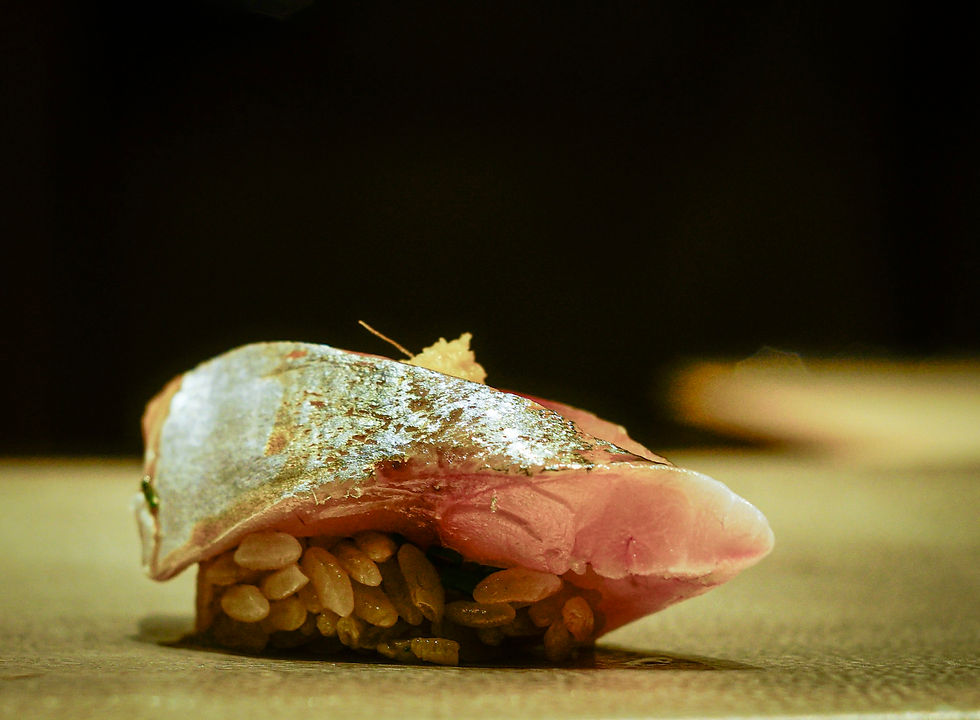
When exploring the www.sushi-ayumu.com/menu, you will notice a thoughtful progression of courses. The meal often begins with lighter dishes to awaken the palate, such as sashimi or a small appetizer. This is followed by nigiri sushi, where the quality of the fish and the skill of the chef shine.
Each piece of sushi is crafted with care - the rice is seasoned just right, the fish sliced to highlight its texture and flavor. Occasionally, you may encounter cooked items or palate cleansers like pickled vegetables or a delicate soup.
The pacing is deliberate, allowing time to appreciate each bite fully. The chef may adjust the menu on the fly, responding to your reactions or preferences. This flexibility is part of what makes omakase so special.
For those new to omakase, it helps to ask questions and express any dietary restrictions upfront. The chef can then tailor the experience to suit your needs while maintaining the integrity of the meal.
The Subtle Art of Hospitality
Omakase is not only about food but also about the spirit of hospitality, or omotenashi. This Japanese concept emphasizes anticipating guests’ needs and creating a seamless, welcoming experience.
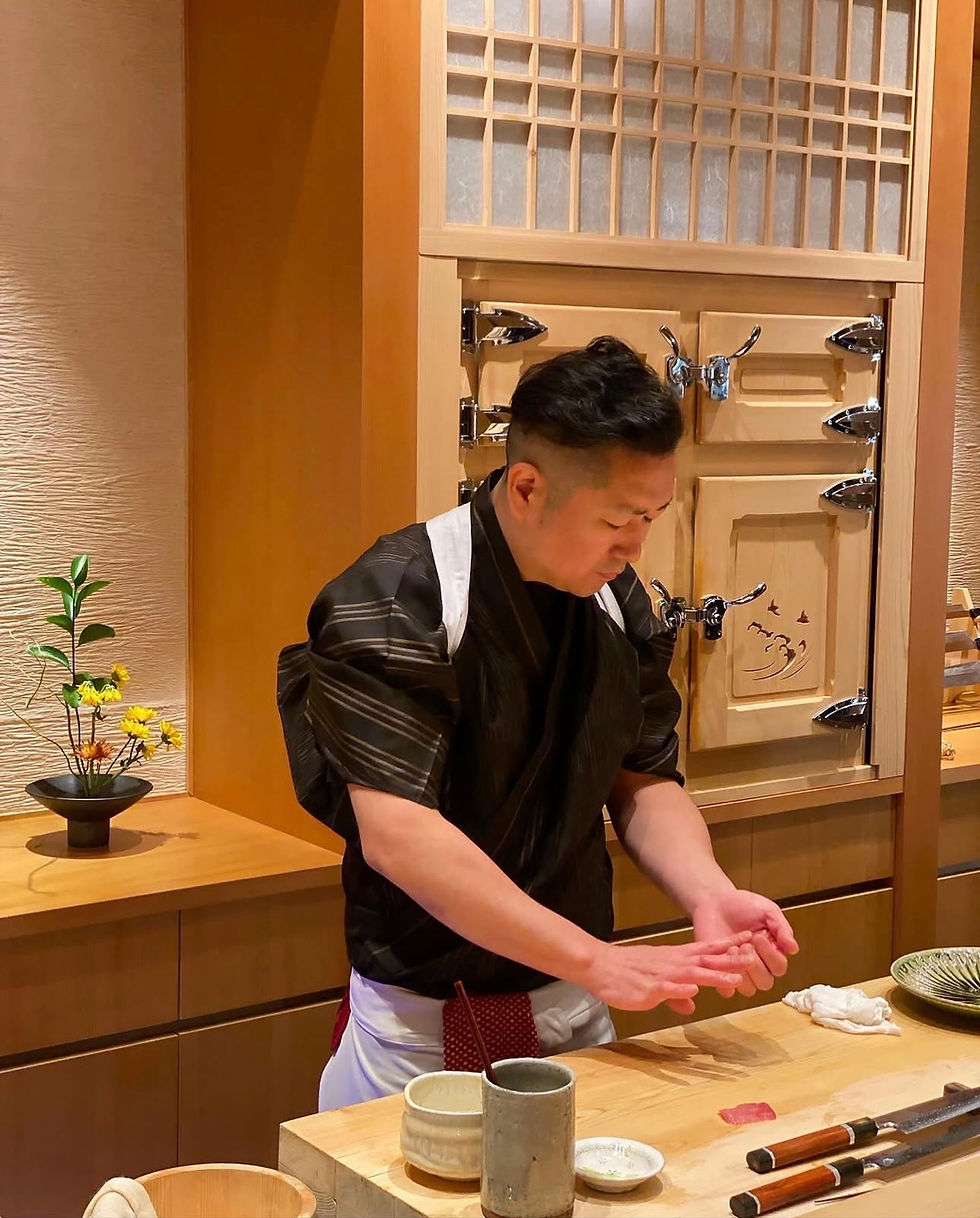
At Sushi Ayumu by Masa Ishibashi, this hospitality is evident in every detail. From the warm greeting at the door to the attentive service at the counter, the goal is to make diners feel valued and comfortable. The chef and Service often explains each dish, sharing stories about the ingredients or preparation methods.
This interaction adds depth to the meal, transforming it from a simple dining event into a shared journey. The quiet confidence of the chef and staff reassures diners that they are in expert hands.
The atmosphere encourages mindfulness and appreciation, inviting guests to slow down and savor the moment. It is a rare kind of luxury - one that nourishes both body and soul.
Embracing the Omakase Experience
Choosing to dine omakase in Singapore is an invitation to explore a refined culinary tradition. It requires trust, patience, and an openness to new tastes and textures. The rewards are rich - a meal that delights the senses and lingers in memory.
Whether you are drawn by the artistry of the sushi, the seasonal storytelling, or the quiet elegance of the setting, omakase offers a unique way to connect with Japanese culture. It is a reminder that food can be more than sustenance - it can be a form of art, a gesture of hospitality, and a journey of discovery.
As I reflect on my experiences, I find that omakase dining options in Singapore offer a rare blend of authenticity and innovation. They invite us to slow down, to appreciate the subtle beauty of each ingredient, and to trust in the hands that prepare them.
This is the art of omakase - a quiet celebration of flavor, season, and skill. It is a journey well worth taking.



Comments