Sushi Reservation Etiquette Guide
The difference between a good sushi meal and a memorable one often begins before the first piece is served. A thoughtful sushi reservation etiquette guide is not about formality for its own sake. It is about respect - for the chef, for the room, and for the precision that defines serious Japanese dining.
At a fine dining edomae sushi restaurant, a reservation is more than a time slot. Fish is ordered with intention, seating is paced carefully, and service is shaped around the number of guests expected to arrive. When diners understand that rhythm, the experience feels smoother, calmer and more rewarding for everyone involved.
Why reservation etiquette matters at a sushi restaurant
Sushi is unusually sensitive to timing. Unlike many other meals, it relies on ingredients that are prepared in small quantities and served at a specific moment, often at their best within minutes. A delayed arrival, an unexpected extra guest or a last-minute cancellation can affect more than one table.
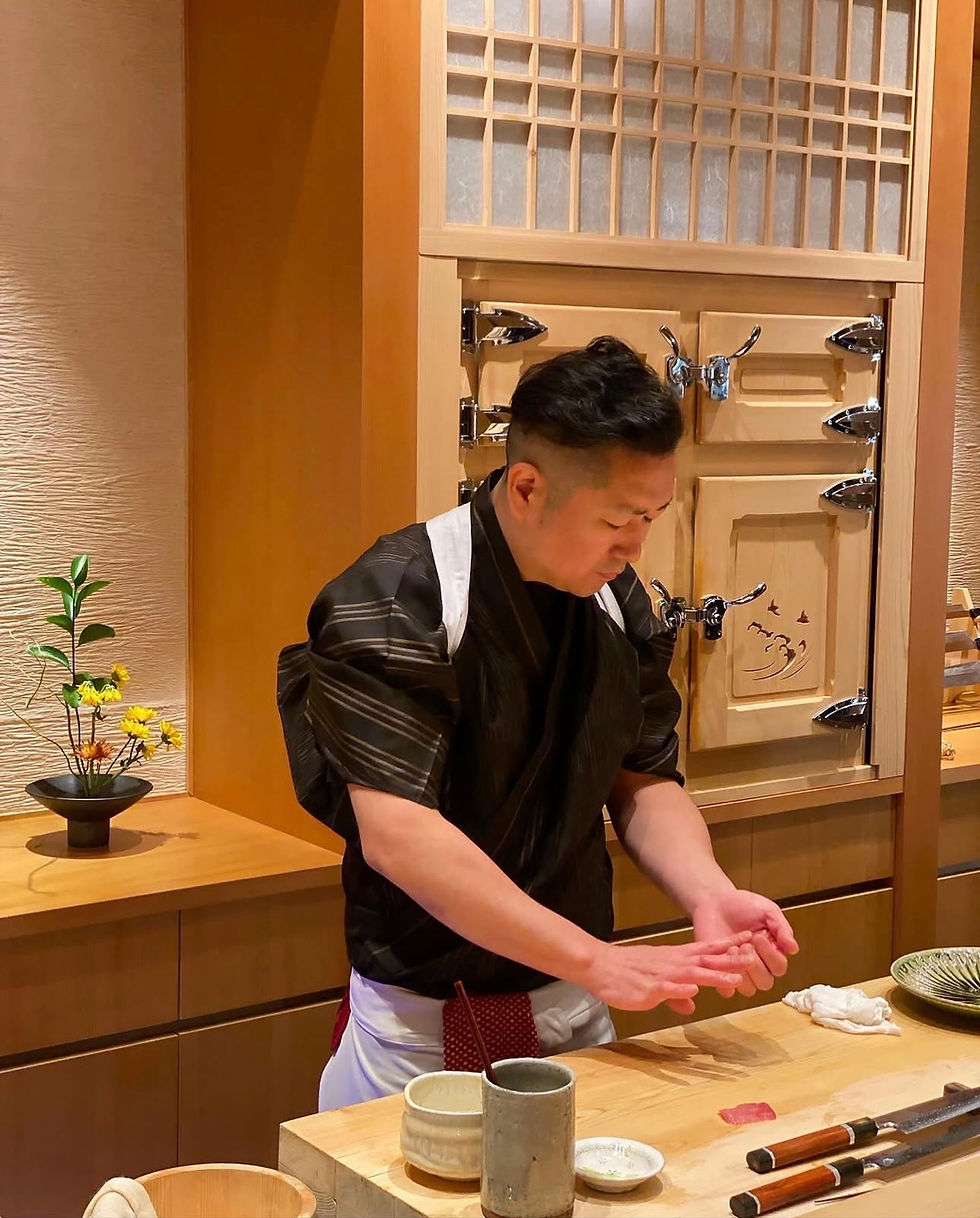
That is especially true in smaller dining rooms, counter seating, omakase-style service, and private dining settings. The chef and front-of-house team may have designed the evening around a precise flow. Good etiquette supports that craft. It also helps protect the atmosphere that guests are paying for - measured, attentive and composed.
For diners, this is not about memorising rigid rules. It is about understanding where consideration makes a visible difference.
Booking well - the first step in a sushi omakase reservation etiquette guide
The best reservations are made with clarity. If you know the date, time and party size, book as early as practical, particularly for Friday and Saturday evenings, holiday periods or business dining hours. Premium edomae sushi restaurants often have fewer covers than larger contemporary dining rooms, so availability can tighten quickly.
When booking, give accurate information. If the reservation is for a celebration, a business dinner or a quieter evening for two, it can be helpful to note that. Not every restaurant will change its service style, but context allows the team to place the table appropriately and manage the experience with more care.
Dietary requirements should be disclosed at the point of booking, not after you sit down. This matters in any restaurant, but particularly in sushi, where raw seafood, shellfish, soy, sesame and dashi appear frequently. Some requests are straightforward to accommodate. Others may change the menu options significantly. Advance notice is courteous and practical.
If you are considering a private room, reserve even earlier. These spaces are limited by design and are often used for occasions where timing and privacy matter.
Be precise about party size
A sushi reservation for two is not casually expandable to four. In a tightly arranged room, one additional guest can disrupt the seating plan for the entire service. Equally, arriving with fewer guests than booked may leave places that could have been offered to others.
If your numbers may change, say so when you book. The restaurant may be able to advise on the best approach. Certainty is always preferred, but honesty is better than false confidence.
Timing and arrival
Punctuality is one of the clearest signs of respect in sushi dining. Aim to arrive on time, or a few minutes early, rather than significantly ahead of the booking. Too early can be awkward in a restaurant turning over from a previous service. Late is more disruptive.
If you are delayed, telephone as soon as you know. A ten-minute delay with notice is very different from silence. The team may be able to hold your table, adjust the pace of service or advise whether the booking needs to be moved. Without communication, they are left to guess.
There are moments when lateness matters even more. Counter dining, tasting menus and omakase experiences often begin in sequence. Arriving twenty minutes late may mean missing part of the progression or compressing the meal in a way that diminishes it. In some cases, the restaurant may need to shorten the experience or treat the booking as a no-show. That can feel strict, but it reflects the nature of the service.
How early is too early?
Five to ten minutes early is generally sensible. Twenty to thirty minutes early may not be. In a premium setting, tables are often timed to preserve a calm room and proper spacing between parties. If you do arrive very early, waiting at the bar or nearby is usually the more graceful choice, unless the team invites you to be seated.
Cancellations and changes
Nothing undermines hospitality faster than a careless cancellation. In a high-quality sushi restaurant, a booking may represent ingredients already purchased, labour already committed and another guest already turned away.
If your plans change, cancel as soon as possible. A full day or more is considerate. Several days is better for larger parties, special menus or private dining. Same-day cancellations should be reserved for genuine necessity, not a change of mood.
A useful sushi reservation etiquette guide must also say this plainly: no-shows are not trivial. They are expensive for restaurants and discourteous to the people who prepared for your arrival. Where card guarantees or cancellation policies are in place, they should be treated as standard hospitality practice, not as a penalty.
If one guest in your party cannot attend, inform the restaurant immediately rather than hoping it will not matter. It may affect menu preparation, table allocation or minimum spend arrangements.
What to communicate before you arrive
Not every detail needs to be shared, but a few do. Dietary restrictions, accessibility needs, allergies, high chairs, the presence of children, and any request for a quieter or more private table are worth mentioning in advance. The earlier the better.
If this is a business dinner and timing is important, say so. If you need to leave by a certain hour for theatre tickets or onward travel, the restaurant may be able to pace the meal accordingly. What it cannot do is read your schedule once you are seated.
Equally, if you are bringing wine where corkage is permitted, or planning a cake where that is allowed, ask beforehand. Premium hospitality depends on coordination. Surprises are rarely elegant in a dining room.
Etiquette during the meal
Reservation etiquette does not end at the door. The most polished guests are easy to host because they are attentive to the room. They keep noise measured, place phones aside, and allow the pace of service to unfold.
In fine sushi omakase dining, there is particular value in receiving each course or piece when it arrives. Letting sushi sit while conversations continue or photographs multiply can compromise texture and temperature. A quick photograph may be acceptable in many restaurants, but extended staging can feel out of place in a refined setting.
If you are unsure how to eat a particular piece, ask discreetly. There is no embarrassment in that. Some sushi is designed to be eaten by hand, some with chopsticks, and some should be enjoyed exactly as seasoned rather than dipped further in soy. Good restaurants appreciate curiosity when it is expressed with restraint.
Perfume, volume and mobile phones
These are small details with large effects. Strong fragrance can interfere with aroma and taste, particularly in a cuisine built on delicacy. Loud conversations can break the atmosphere of a room designed for measured service. Taking calls at the table is best avoided entirely.
None of this requires stiffness. It simply asks for awareness.
If you are hosting clients or guests
Business dining carries its own version of etiquette. Confirm the reservation details with your guests in advance, arrive before they do if possible, and be clear with the restaurant about any timing requirements. If one person in the group is unfamiliar with sushi, choose the restaurant and menu style with care.
A host sets the tone. If you treat the reservation casually, your guests often will as well. If you handle the evening with quiet precision, everyone relaxes.
For celebratory meals, the same principle applies. Anniversaries, birthdays and proposals may feel personal, but restaurants can only support them well when they know what is planned.
The spirit behind the rules
The best etiquette is rarely performative. It is simply a form of consideration. In premium Japanese dining, that consideration has unusual weight because so much depends on timing, balance and quiet attention.
Whether you are booking a table for two, arranging a client dinner or reserving a private room, the aim is the same: arrive as the kind of guest a great restaurant hopes to welcome again. At Sushi Ayumu, as in any serious sushi house, that begins long before the first course and continues in every small choice you make.
A reservation handled well does not draw attention to itself. It clears the way for what matters - a composed room, a focused chef, and a meal experienced at its proper pace.



Comments