How to Host Client Dinner With Real Intent
A client dinner can go wrong long before anyone sits down. The table may be too loud, the booking too late, the menu too complicated, or the evening too obviously transactional. If you want to know how to host client dinner well, the first rule is simple: your guest should feel considered, not managed.
That distinction matters. A good client dinner is not theatre. It is hospitality with purpose. You are creating a setting in which conversation can move naturally, decisions can come more easily, and trust can deepen without pressure. The best evenings feel effortless to the guest, even when they have been carefully planned.
How to host client dinner without making it feel like work
Most professionals make one of two mistakes. They either over-plan the evening until it becomes stiff, or they under-plan and hope the restaurant carries the night for them. Neither works particularly well.
A client dinner should have shape, but not choreography. You need the right setting, the right pace, and a sense of what the evening is for. Is this a first meeting with a prospective client? A thank-you dinner after a major project? A chance to repair a strained relationship? Each calls for a different kind of table.
If the relationship is new, restraint usually serves you better than spectacle. Choose somewhere polished, calm and easy to navigate. A room that allows conversation to happen at a natural volume is worth more than a fashionable booking that forces everyone to lean in and repeat themselves. If the relationship is established, there is more room for personality, including a more distinctive menu or a private dining setting.
The aim is not to impress in the broadest sense. It is to show judgement.
Choose the restaurant with the guest in mind
The venue does a great deal of the work. It signals taste, confidence and care before the first course arrives. Yet the best choice is not always the most expensive one. It is the one that suits the guest, the conversation and the moment.
Look first at atmosphere. For business dining, noise is often the deciding factor. A beautiful room loses its value if discussion becomes strained. Service matters just as much. You want a team that reads the table well, keeps things moving, and knows when not to interrupt.
Cuisine deserves more thought than many hosts give it. A client dinner should feel generous, but it should also feel manageable. Menus that are elegant, balanced and easy to enjoy make business conversation simpler. Japanese dining often works particularly well in this context because it can be both refined and discreet. Shared appreciation of craftsmanship, seasonality and precision creates a strong setting for measured conversation. For more sensitive discussions, a private room may be the right decision. It offers discretion without removing the pleasure of dining out.
Dietary requirements should be addressed quietly and early. Ask in advance, and do so in a way that feels routine rather than fussy. This is not a small administrative detail. Remembering a guest's needs is one of the clearest forms of professional courtesy.
Timing is part of the message
An early reservation tends to work best. It respects the guest's schedule, avoids the drag of a very late evening, and gives the dinner a clear structure. In most cases, lunch can feel compressed and drinks can feel ambiguous. Dinner allows for focus without the intensity of the boardroom.
That said, timing depends on the purpose. If the discussion is substantial, allow enough time for the meal to unfold at a civilised pace. If the dinner is mainly relational, perhaps after a successful piece of work, a slightly more relaxed timing can feel warmer. What matters is that the guest never feels trapped in an endless evening.
You should also think about the practical start and finish. Arrive early. Be at the table before your guest if possible. Confirm the booking that day. If the restaurant is known for a strong service rhythm, mention if you would like a little space before ordering. Good hospitality responds well to clarity.
Prepare, but leave room for the evening to breathe
A client dinner should never become a script. Still, going in with no plan at all is rarely wise.
Know the broad shape of the conversation you want to have. There may be one topic that needs attention, one relationship point worth reinforcing, and one thing you genuinely want to learn about the client. Keep that in mind, but let the exchange move naturally. The table is not the place for a pitch deck in spoken form.
Research remains useful, but subtlety matters. You should know enough about the guest's business, recent developments, and likely priorities to ask intelligent questions. What you should avoid is turning the first twenty minutes into a recital of everything you have read about them online.
If others are joining, think carefully about the mix. Too many people can dilute the purpose of the dinner. Too few can make it intense. In most cases, small groups work best. They allow everyone to contribute without fragmenting the conversation.
Hosting etiquette that actually helps
Good etiquette is not ornamental. It removes friction.
Take charge of the practical elements quietly. Confirm the booking, greet the staff, and guide the table through the opening moments without fuss. If your guest is unfamiliar with the menu, help without performing expertise. A few calm recommendations are enough.
Ordering deserves tact. In some settings, it helps to let the guest choose freely. In others, particularly where a restaurant has a trusted omakase or tasting approach, suggesting a curated experience can make the evening easier and more cohesive. It depends on the guest. Some enjoy being guided; others prefer control. Read the room.
Alcohol is another area where judgement counts. Never build the evening around it. If the guest drinks, a measured choice can complement the meal and ease conversation. If they do not, the absence of alcohol should pass without comment. Pressure here is clumsy.
As host, your attention should remain on the guest, not on your own preferences. That includes pace. If the client wants to move to business early, follow that lead. If they would rather begin with lighter conversation, allow it. One of the simplest signs of polish is not rushing to your own agenda.
Conversation should be clear, not relentless
The strongest client dinners do not force business into every minute. They create a credible rhythm between lighter exchange and more serious discussion.
Start with subjects that are easy but not trivial. Travel, food, the area, or a recent industry event can all work, provided they are handled with restraint. The point is to establish ease. Once the table settles, business can enter more naturally.
When it does, be direct enough to be useful. A client dinner is not wasted because some business was discussed. Quite the opposite. The mistake is making the meal feel like a disguised meeting. Introduce the important point clearly, talk about it well, and then let the conversation widen again.
Listen more than you speak. This sounds obvious, yet many hosts forget it as soon as they feel responsible for carrying the evening. You do not need to fill every silence. A measured pause is not a failure. In fact, it often gives the client room to say something that matters.
How to host client dinner when the stakes are high
Some dinners matter more than others. You may be entertaining a prospective client you have been trying to meet for months. You may be discussing a delicate renewal. You may be rebuilding confidence after a difficult period.
In those cases, simplicity is usually your ally. Choose a setting with proven service, a menu with depth but not confusion, and a layout that supports privacy. Avoid gimmicks. Avoid anywhere that draws attention to the host rather than to the guests. At a certain level, discretion is more persuasive than display.
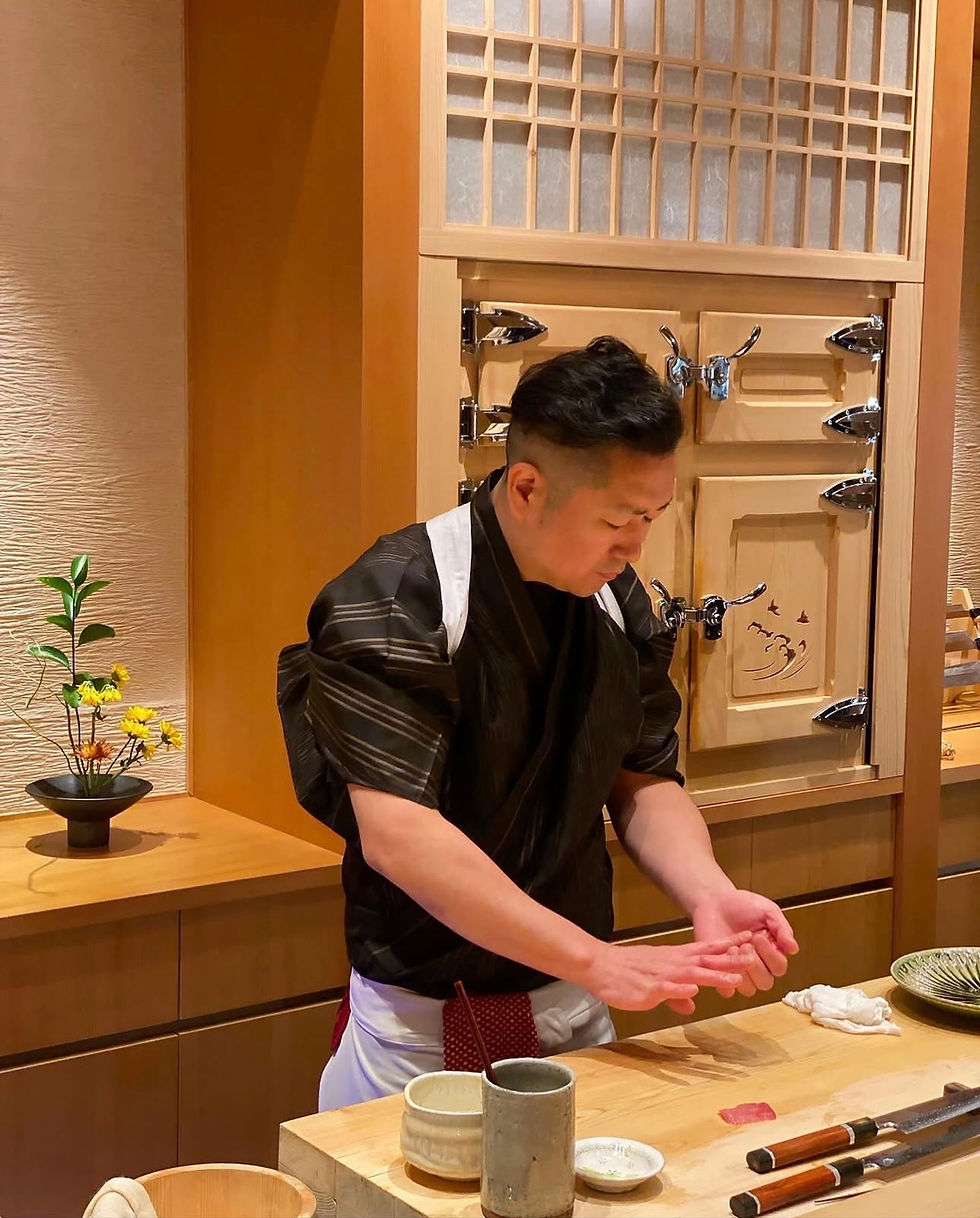
This is where a chef-led restaurant with a composed atmosphere can be particularly effective. The experience communicates standards without the need for explanation. At Sushi Ayumu by Masa Ishibashi, for example, the combination of refined dining and private room options suits business occasions that require both polish and ease.
There is also a practical point here: high-stakes dinners benefit from fewer variables. If you are already managing an important relationship, do not add uncertainty through an overcomplicated venue choice.
The bill, the follow-up, and what guests remember
Payment should be handled cleanly and without theatre. If possible, arrange it in advance or settle it discreetly away from the table. Few things diminish an otherwise elegant evening faster than a prolonged performance over the bill.
Afterwards, follow up promptly. A short message the next day is enough - gracious, specific, and free of exaggerated warmth. Thank them for their time, refer briefly to a point of conversation, and, if needed, confirm any agreed next steps. The purpose is continuity, not pressure.
What clients remember is rarely the exact dish or the label on the bottle. They remember whether the evening felt thoughtful. They remember whether they were at ease. They remember whether you showed judgement in the details.
That is what good hosting really is. Not display, not excess, not charm at full volume. Just careful choices, made in the guest's interest, with enough confidence to keep the evening calm. If you can offer that, the dinner has already done most of its work.
A well-hosted table does not demand attention. It earns trust quietly.



Comments