Sushi Menu Ordering Guide for Better Choices
A long sushi menu can make even confident diners hesitate. One section offers pristine sashimi, another lists nigiri by the piece, another leans into rolls, and then there is omakase - the quiet suggestion that the best choice may be to stop choosing altogether. This sushi menu ordering guide is designed to make that moment easier, with the kind of clarity that helps you order well rather than simply order more.
The first thing to understand is that a sushi menu is not arranged by status. It is arranged by style, format and rhythm. Good ordering starts with the occasion, your appetite and how much attention you want to give the meal.
How to read a sushi menu ordering guide with confidence
When diners feel uncertain, they often order defensively. They choose familiar rolls, add too many side dishes, and end up with a table that is full but not especially coherent. A better approach is to read the menu in layers.
Begin with the purest expressions. Sashimi is simply sliced raw fish, served without rice. Nigiri pairs a measured slice of fish with seasoned rice. These two sections tell you most clearly how a restaurant treats its ingredients. If the fish is carefully sourced and handled, these dishes reveal it. If you enjoy clean flavour and texture, they are often the most rewarding place to start.
Then there is omakase, which means you are placing trust in the chef. This is usually the strongest choice when you want the meal to feel curated and when you are open to seasonality. The best choice depends on whether you want control or authorship.
Sashimi, nigiri, rolls and omakase
Sashimi suits diners who want precision. Without rice or sauces, there is nowhere for quality to hide. If you enjoy tuna, yellowtail, scallop or sea bream in their clearest form, sashimi deserves space in your order. It also works well as a first course because it sharpens the palate rather than filling it quickly.
Nigiri is often the heart of the meal. The balance matters: fish, rice temperature, seasoning, pressure, proportion. One piece can be delicate and restrained; another can be richer and more assertive. If you want to understand a sushi counter properly, nigiri usually tells you the most.
Omakase is best when you are willing to be led. It often gives access to the chef's best sequence, ideal temperature, seasonal highlights and a pacing that a la carte ordering rarely achieves. For a date, a celebration or a serious dinner, it can be the most elegant route. For a quick lunch, takeaway, or a table where everyone wants to share casually, it may feel too structured.
Start with balance, not volume
A strong order has shape. Too much richness too early and the meal becomes heavy. Too many similar items and everything starts to blur. The aim is balance across flavour, fat, texture and pace.
If you are ordering for one or two people, start lightly. A small sashimi selection or two to three pieces of nigiri each is often enough to open the meal. Then add one roll if you want contrast. If you still have room, return to nigiri rather than chasing variety for its own sake. A focused meal is usually more memorable than an overfilled table.
For a group, variety matters more. In that setting, sashimi platters and mixed nigiri can work beautifully because they create a shared centre without forcing everyone into the same preferences. Rolls can then support the table, especially for guests who are less comfortable with raw fish. Edamame, miso soup or a refined small plate may have their place, but they should not crowd the main event.
Rice is another consideration that diners often ignore. Sushi rice is satisfying. If you order too many rolls and nigiri at once, the meal can become heavier than expected. If your priority is tasting fish, lean further towards sashimi and nigiri.
A practical sushi menu ordering guide for different occasions
For a business meal, discretion is useful. Choose clean, elegant dishes that are easy to eat and easy to discuss. Nigiri, sashimi and one composed roll usually read better than an overly elaborate spread. Omakase can be excellent if your guests are enthusiastic and the dinner is meant to feel considered.
For a date, ordering should feel confident but not performative. A small sashimi selection, a few pieces of nigiri and one shared roll often creates the right rhythm. It gives enough variety without turning the table into a display of excess. If both diners are genuinely interested in the craft, omakase can be especially compelling.
For a celebration or private dining setting, broader range is appropriate. This is where premium sashimi, chef-selected nigiri and a more expansive sequence can carry the occasion. At that level, restraint still matters. Luxury is not the same as quantity.
What to order if you are new to sushi
New diners do not need to prove anything. Start with fish that are familiar in flavour and gentle in texture. Tuna is clean and reassuring. Yellowtail offers softness and depth without being overpowering. Prawn, eel and tamago can also provide an easier entry point, depending on your preferences.
If raw fish feels like too much at first, choose a mix. A piece of seared nigiri and a small sashimi portion can build confidence without forcing commitment to one style. Avoid overcomplicating your first meal with too many sauces, too many fried items or too many novelty combinations. The point is to learn what you enjoy.
It also helps to ask for pacing. Rather than placing one oversized order, order a first round and then continue. That keeps the meal thoughtful and reduces waste. In a refined restaurant, this is not indecision. It is good judgement.
Common mistakes that flatten the experience
One common mistake is treating the menu like a checklist. Another is assuming the most expensive item is automatically the best choice for you. Fatty tuna is luxurious, for example, but some diners prefer the cleaner profile of leaner cuts or white fish.
Sauces can also mislead. Sweet glaze and toppings have their place, yet they should not dominate every selection. If every bite is rich, little stands out. Contrast is what gives a meal elegance.
There is also the matter of soy sauce. Too much will overwhelm delicate fish and seasoned rice alike. The same applies to wasabi. Used carefully, it sharpens and lifts. Used heavily, it erases nuance. Refinement often lies in using less.
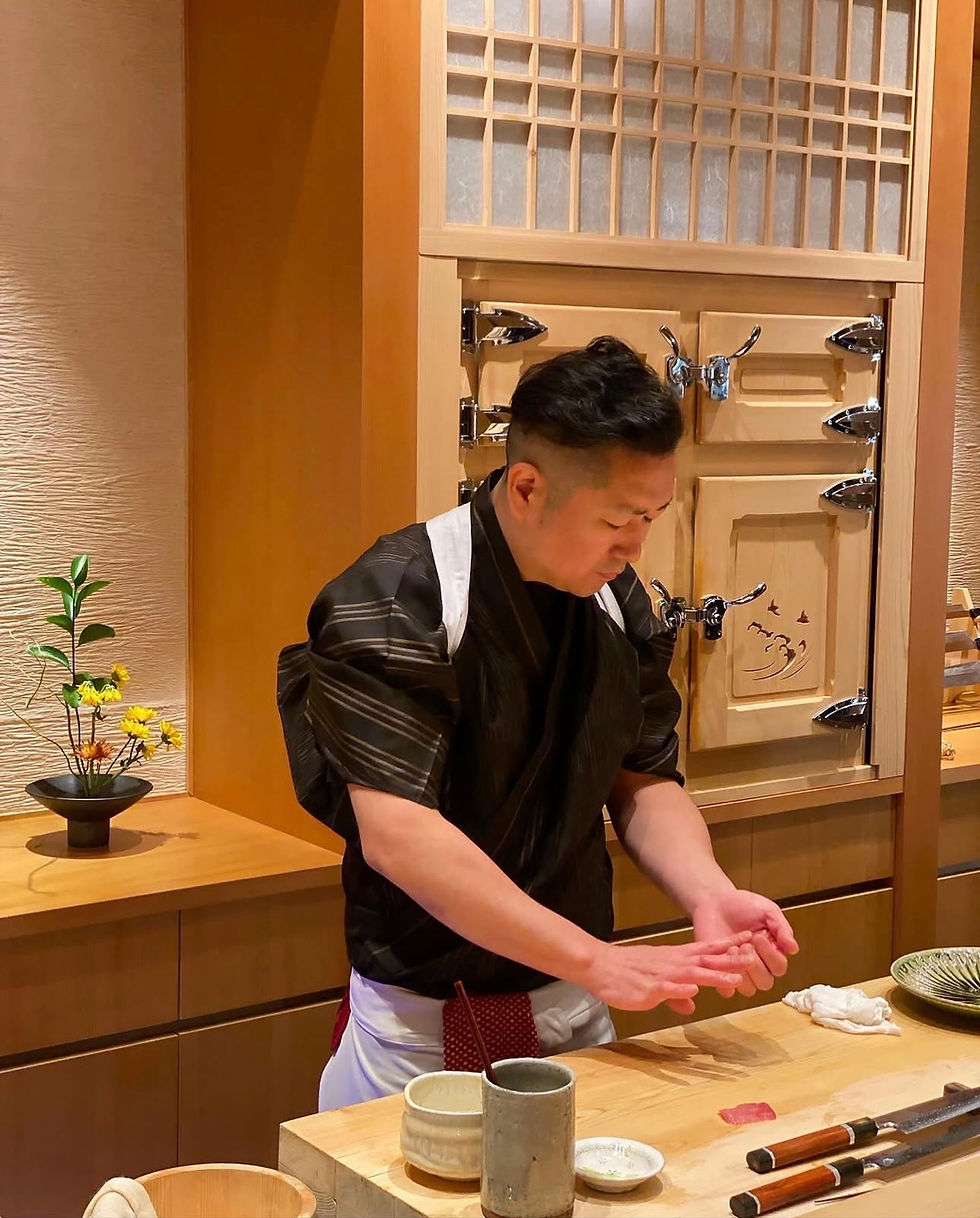
A final mistake is ignoring the setting. A chef-led restaurant deserves a different ordering style from a casual chain. In a more elevated room, fewer, better choices usually reward you more. At Sushi Ayumu by Masa Ishibashi, for instance, the experience is built around curation and craftsmanship, so ordering with a little restraint allows those qualities to come forward.
The best sushi order should feel composed, not crowded. If you leave the menu understanding what you liked and why, you have ordered well. That is far more satisfying than simply ordering widely, and it makes the next visit even better.



Comments