The Importance of Private Dining for Memorable Experiences
Updated: Jun 9
Why Private Dining Still Matters
There is a reason private dining remains relevant in a city full of lively restaurants and open-plan spaces. Public dining rooms can be energizing, but they are shared environments by design. That can be ideal for a spontaneous meal or a casual evening out. However, it is less ideal when timing, privacy, discretion, and atmosphere carry more weight.
A private room changes the rhythm of the meal. Guests tend to settle more quickly. Conversation becomes easier. Service can be more attentive because the team is working around a clearly defined group, rather than balancing the unpredictable flow of the main dining room. The result is not simply quieter dining; it is a stronger sense of occasion.
This is particularly true in Japanese dining, where restraint and balance shape the experience as much as the food itself. Fine sushi asks for attention. So do seasonal dishes prepared with care. In a private setting, those details are easier to appreciate. The room supports the cuisine rather than competing with it.
Private Dining for Business and Personal Occasions
Not every group books a private room for the same reason, and that matters. The best private dining experiences are shaped around intent.
Business Meals
For professionals entertaining clients, colleagues, or partners, privacy creates clarity. It allows discussion to move naturally between hospitality and business without the background noise of a crowded room. It also signals judgment. Choosing a refined setting shows care without appearing theatrical.
That balance is important. A business dinner should feel polished, not overstated. Japanese cuisine suits this especially well because it is precise, elegant, and often best enjoyed at a measured pace. A private room adds discretion, which many corporate guests value as much as the menu itself.
Celebrations
For birthdays, anniversaries, and milestone evenings, private dining offers intimacy without sacrificing service. In a restaurant, the host is free to be present.
A private room keeps the evening close and composed. Guests are not split by the surrounding energy of the restaurant, and the service remains coordinated around the table. That makes a difference when the goal is to create a celebration that feels thoughtful rather than busy.
Family Gatherings and Small Groups
Some occasions do not need spectacle; they need ease. A multi-generational family meal, a reunion among close friends, or a quiet post-engagement dinner often benefits from a space with fewer distractions and a clearer sense of belonging.
In those settings, the value of a private room is often felt in subtle ways. Older guests can hear properly. Toasts do not need to compete with surrounding tables. The evening can unfold at a more natural pace.
What Guests Should Expect from Private Dining
A strong private dining experience is rarely defined by the room alone. Design matters, but service, food, and timing matter more.
The room should feel distinct without feeling disconnected from the restaurant. Guests usually want privacy, not isolation. There is a difference. The best spaces maintain a sense of occasion while still benefiting from the standards and atmosphere of the wider restaurant.
Service should be present and exact. Too much interruption can make a private room feel stiff. Too little attention can make it feel forgotten. The ideal balance is quiet confidence—water refreshed before it is requested, courses paced well, preferences remembered, and the table left to enjoy its own conversation.
Food should also suit the format. This is where some private dining experiences fall short. A menu that works beautifully for two may not translate as well for a group. Group dining needs structure. It should retain quality and individuality, but it also needs flow. Dishes should arrive with composure, and the menu should make sense for the number of guests and the nature of the occasion.
For Japanese cuisine, that often means careful menu planning rather than sheer abundance. A well-judged sequence of sushi, sashimi, and composed dishes can carry more impact than a large but unfocused spread. Precision is part of the luxury.
How to Choose the Right Private Dining Room
Choosing well comes down to asking better questions. The first is simple: what is the evening for? A corporate dinner has different needs from an anniversary. One may require restraint and flexible pacing. The other may benefit from a more celebratory progression.
Guest count is the next consideration. A room should fit the party comfortably, but not loosely. Too small and it feels compressed. Too large and the atmosphere can fall away. The size of the table also matters more than people expect. A room may technically hold a group, yet still be awkward for conversation if guests are too spread out.
Menu style deserves close attention. Some groups want a highly curated meal led by the restaurant. Others need a little more flexibility for preferences or dietary requirements. Neither approach is inherently better. It depends on the guests. What matters is that the menu feels intentional rather than compromised.
Then there is the question of tone. Some private rooms are designed to impress at first glance. Others are built for comfort and focus. For many discerning guests, the latter is more persuasive. Quiet confidence tends to age better than obvious display.
The Role of Japanese Hospitality in Private Dining
Private dining is at its best when hospitality feels calm, exact, and unobtrusive. This is where Japanese dining brings a distinct advantage. The emphasis is not on performance for its own sake, but on care expressed through detail.
That might mean the measured timing of courses, the quality of ingredients, the attention given to balance and seasonality, or the sense that every element has been considered before the guest arrives. In a private room, those qualities become even more apparent because nothing is competing for attention.
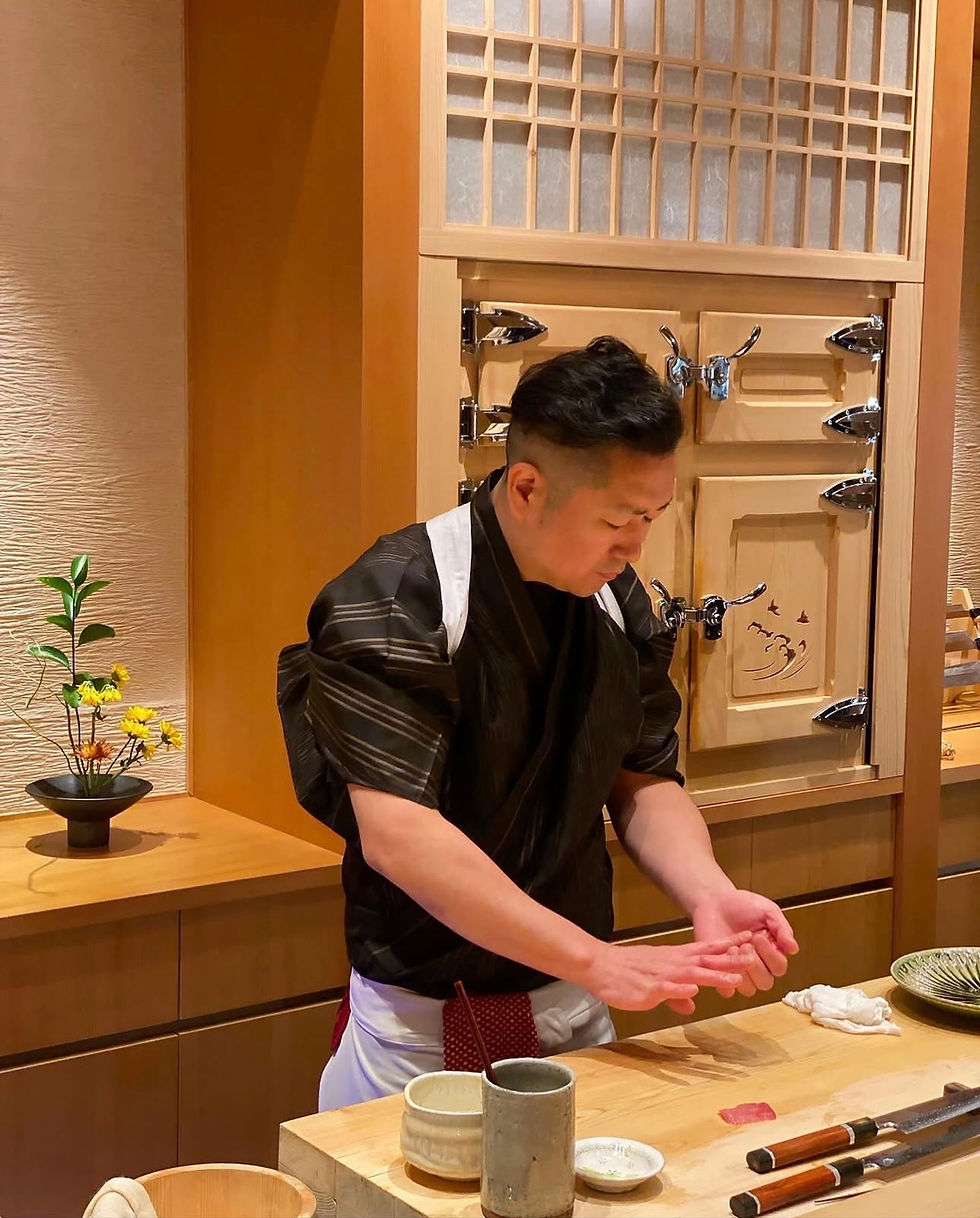
At Sushi Ayumu by Masa Ishibashi, that philosophy suits private dining naturally. A chef-led approach carries particular value in a private setting because guests are not simply booking a room. They are choosing a standard, a point of view, and a way of being looked after.
When Private Dining Is Not the Right Choice
A private room is not automatically the best option for every group. If the aim is a lively, spontaneous evening shaped by the atmosphere of the main restaurant, a standard counter seating may suit better. Some guests prefer the energy of the dining room and do not want the formality that a separate space can sometimes suggest.
Budget can also influence the decision. Private dining often comes with minimum spend requirements or a more structured menu format. For many occasions, that is worthwhile. For others, it may feel unnecessary. The key is to match the format to the reason for gathering, rather than assuming privacy always means improvement.
There is also a difference between exclusivity and comfort. A room that feels too rigid can work against the occasion. The most successful private dining experiences avoid that trap. They remain polished, but still warm.
What Makes a Private Dining Experience Memorable
Guests rarely remember an evening because the room was simply closed off from the rest of the restaurant. They remember how the evening felt. They remember whether conversation flowed, whether the food arrived at the right pace, and whether the setting made the occasion feel more meaningful.
That is the real measure of private dining. It should sharpen the experience, not complicate it. Privacy, when done properly, gives shape to the meal. It allows hospitality to feel more personal, cuisine to be appreciated more fully, and the occasion to carry the weight it deserves.
If a dinner matters, the setting should know that before the first guest takes a seat.



Comments