Seasonal Sushi Ingredients Guide
The difference between good sushi and memorable sushi is often timing. A thoughtful seasonal sushi ingredients guide is not about novelty or trend. It is about knowing when fish carry more sweetness, when shellfish are at their richest, and when a small garnish - perhaps ginger, shiso or yuzu - brings the plate into sharper focus.
In Japanese cuisine, seasonality is not decoration. It is judgement. The best sushi counters do not treat ingredients as fixed all year round because they are not. Water temperature, spawning cycles, fat content and texture all shift with the calendar. For the guest, that means the same cut can taste markedly different in March than it does in November.
Why a seasonal sushi ingredients guide matters
Seasonal eating in sushi is often misunderstood as simply using what is available. Availability is only the starting point. The more meaningful question is when an ingredient reaches its best expression for sushi. Some fish are prized when lean and clean. Others are sought after when the flesh develops more oil and depth.
That distinction matters because sushi is a cuisine of restraint. Rice, knife work and seasoning are designed to reveal rather than disguise. If the ingredient is out of season, there is little to hide behind. If it is in season, even a minimalist preparation can feel complete.
There is also a practical side. Seasonal buying tends to align quality with value more intelligently. Premium dining will always prioritise excellence, but excellence does not mean choosing the rarest item in every month. It means choosing the right item at the right moment.
Spring in a seasonal sushi ingredients guide
Spring sushi has a distinct character - lighter, greener, more delicate. After winter, many ingredients present a cleaner profile, and the menu often turns towards subtle fragrance rather than sheer richness.
Seabream like tai, madai is especially associated with spring. In Japan, tai has ceremonial significance, but beyond symbolism it suits the season because of its fine texture and balanced flavour. Properly handled, it offers elegance rather than force. For nigiri, that makes it ideal when guests want precision and freshness without heavy fattiness.
Needlefish and halfbeak like sayori can also appear in spring-oriented menus, bringing a lucid, almost glassy quality. These are not ingredients that reward heavy seasoning. They depend on exact cutting and careful rice temperature. That is the trade-off with more delicate seasonal fish - they can be exquisite, but they leave no room for technical looseness.
Spring vegetables and aromatics matter as well. Young bamboo shoots, kinome leaf, fresh wasabi and mountain vegetables can influence a sushi meal even when they are not central toppings. They shape the pacing of the experience. A restrained garnish in spring should sharpen freshness, not compete with it.
Shellfish can be excellent in this period too, though it depends on sourcing and species. Clam and ark shell often suit spring menus because they bring sweetness with a gentle mineral note. The key is balance. Spring shellfish should taste lifted and alive, not dense.
Summer ingredients: clean, bright, precise
Summer asks for a different kind of discipline. Warmer weather changes appetite, and diners often respond more strongly to brightness, clean finishes and crisp textures. Rich fish still have a place, but menus generally feel more refreshing when they are paced carefully.
Horse mackerel or aji is one of the season's most compelling ingredients. When impeccably fresh, it offers savoury depth with a bright edge that feels especially suited to summer. The same applies to sardine in the right hands. Both can be intensely satisfying, yet they require confidence from the chef because freshness is non-negotiable and preparation must be exact.
Squid or ika often comes into its own in warmer months, particularly when the texture is managed with precision. A well-scored cut can reveal sweetness many diners do not expect. Prawns or ebi, too, can feel particularly apt in summer, offering firmness and natural sweetness without heaviness.
This is also the season when citrus and herbs can be used with greater confidence. Yuzu, sudachi, shiso and finely grated ginger can give structure to the meal. Still, there is a line between refinement and over-seasoning. The best summer sushi remains composed. It should cool the palate, not overwhelm it.
Autumn: depth, fat and complexity
If spring is subtle and summer is bright, autumn brings concentration. As waters cool, many fish begin to show greater fat content and more layered flavour. For many diners, this is the most exciting period in a seasonal sushi ingredients guide because the contrast between ingredients becomes more pronounced.
Mackerel is a classic example. In autumn, it can reach extraordinary depth, with richer oil and a fuller finish. Kohada, depending on season and treatment, can also become more expressive. These silver-skinned fish reward curing, salting and vinegaring with great nuance, which is why they are often seen as a marker of skill rather than merely ingredient quality.
Salmon roe becomes more relevant in autumn as well, bringing salinity, pop and visual richness. Properly seasoned ikura should taste clean and marine, not harshly salty. The same seasonal judgement applies to bonito and tuna categories. Early and later catches can behave differently, and the chef's role is to select for character, not familiarity.
Mushrooms, chestnut notes and autumn citrus can also influence the wider meal, even at a sushi-focused restaurant. The point is not to make sushi feel heavy. It is to acknowledge that the season invites more umami, more texture, and slightly broader seasoning.
Autumn is often where guests start to appreciate that seasonality in sushi is not just about fish. Rice seasoning may feel marginally different. Garnishes may become quieter but deeper. Even the rhythm of the course sequence can shift towards more lingering flavours.
Winter and the appeal of richness
Winter offers some of sushi's most luxurious expressions. Cold water often produces fish with notable fat and sweetness, and the season naturally leans towards ingredients with more body.
Fatty tuna is the obvious reference point, but winter excellence goes far beyond one prized cut. Yellowtail is a defining cold-weather ingredient, valued for its rich texture and rounded flavour. It can be deeply satisfying on nigiri, yet still refined when sliced with restraint.
Sea urchin or uni can also be remarkable in winter, depending on origin and quality. At its best, uni is not simply creamy. It is sweet, saline and quietly complex. Because it is so easily compromised, winter uni is one of the clearest examples of why premium sushi depends on uncompromising sourcing.
Crab and certain shellfish reach a special intensity in colder months. Their sweetness feels more pronounced, and they bring a generous texture well suited to winter menus. Even eel, though enjoyed year-round, can feel particularly resonant in a colder setting when served with balance and warmth.
The caution in winter is excess. A menu built only around richness can become blunt. The best winter sushi experiences still preserve contrast through pickles, vinegar, citrus, and cleaner interludes between richer bites.
How chefs judge seasonality beyond the calendar
A reliable seasonal sushi ingredients guide should not suggest that every ingredient follows the same fixed month every year. Seasonality is influenced by region, weather patterns, sea conditions and sourcing routes. What is outstanding one week may be merely good the next.
This is where chef-led judgement matters. Labels such as spring or winter are useful, but they are not absolute. An experienced sushi chef evaluates firmness, aroma, fat distribution, skin condition and how the ingredient will behave once cut, cured or served over rice. The calendar informs the decision. It does not replace it.
For diners, this is worth remembering when a favourite item is absent. Restraint is often a sign of standards, not limitation. A premium sushi restaurant should feel edited. That edit is part of the craft.
Choosing seasonal sushi as a guest
If you want the benefit of seasonality, the simplest approach is to ask what is particularly good that week. That question tends to lead to better choices than ordering only by habit. It also opens the door to ingredients you may not usually select.
There is, however, no need to perform expertise. If you enjoy richer fish, say so. If you prefer cleaner white fish or shellfish, say that too. A skilled restaurant can guide you towards seasonal options that match your palate rather than forcing a textbook version of the season.
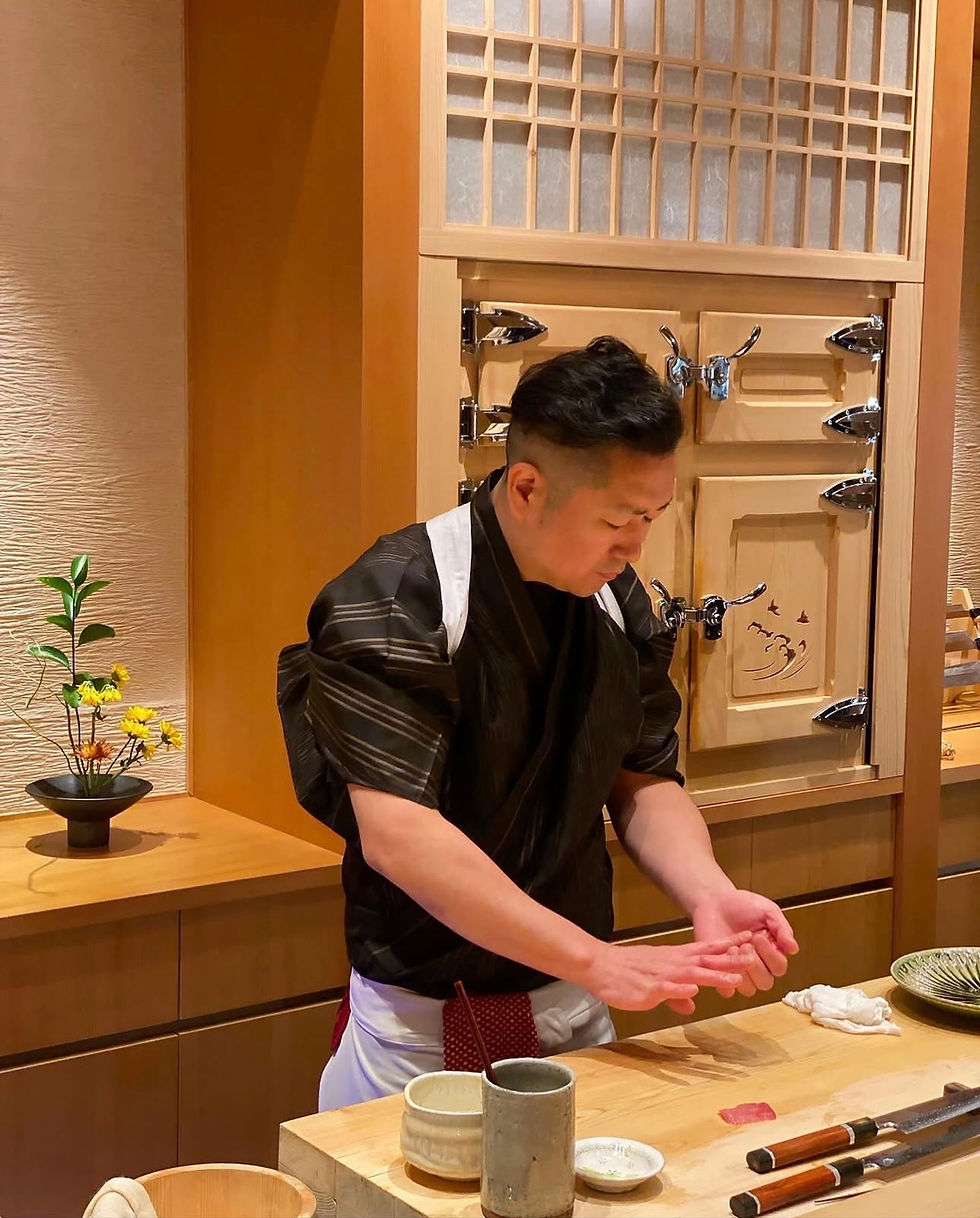
At Sushi Ayumu by Masa Ishibashi, that kind of judgement is part of what makes a meal feel considered rather than generic. Seasonality should never read as a lecture. It should arrive on the plate with quiet confidence.
The finest sushi is often remembered not for abundance, but for appropriateness - the right ingredient, at the right moment, prepared with enough restraint to let the season speak.



Comments